Application
Copper Components for Non-Ferrous Converters
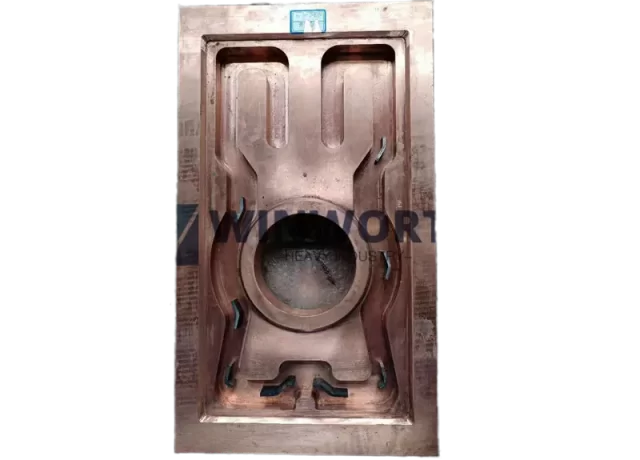
Drawing-based copper components for non-ferrous converter blowing and cooling positions, matched to process metal, tuyere or lance geometry, circuits, interfaces, and inspection.
Application Scope
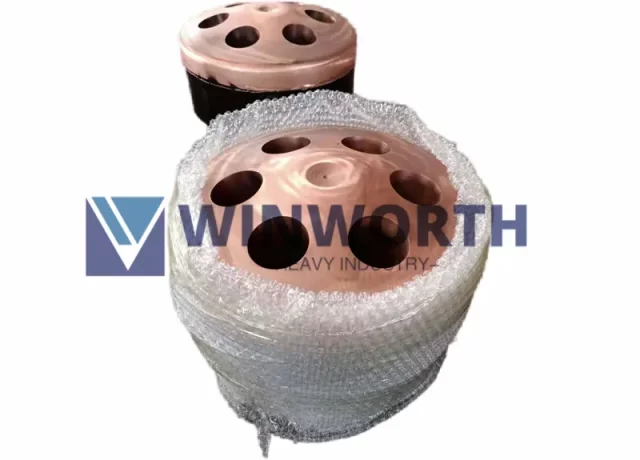
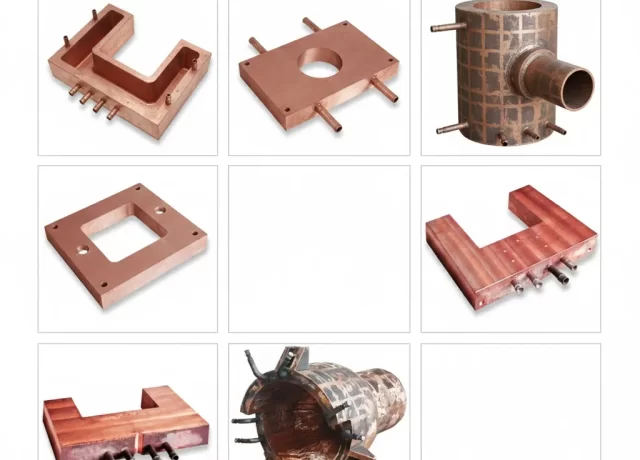
Winworth manufactures drawing-based copper and copper alloy components for non-ferrous converter and blowing-furnace equipment. Depending on the installed process, inquiries may concern tuyere or tuyere-area parts, lance heads or nozzles, water-cooled jackets or panels, mouth-area cooling components, and other replacements defined by the converter drawing.
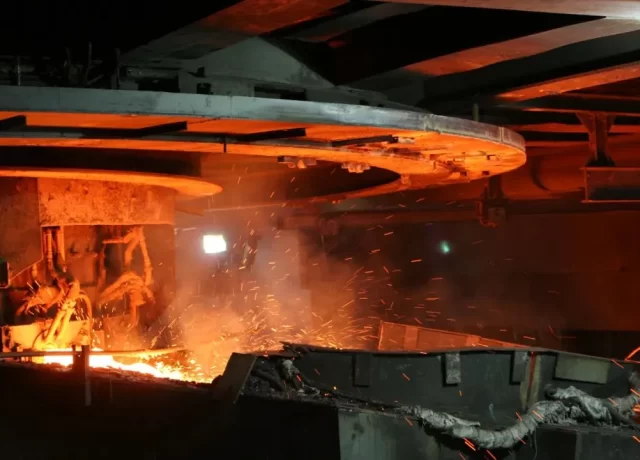
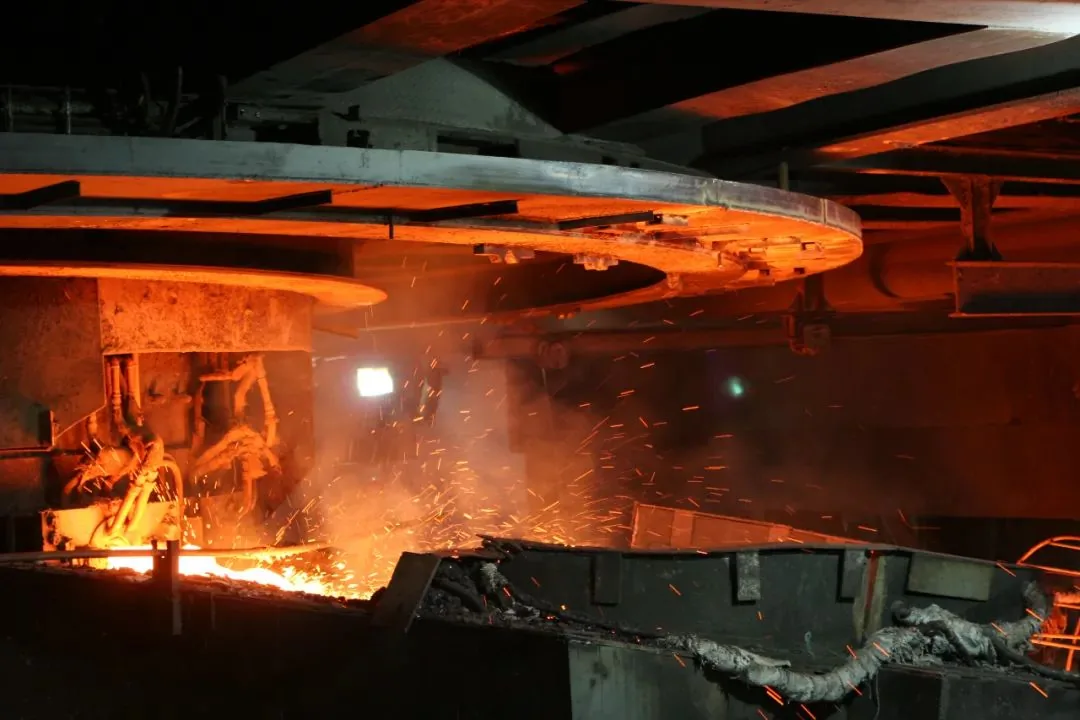
Peirce-Smith batch converters, top-submerged-lance converting, continuous converters, and other top-, side-, or bottom-blowing arrangements use different vessels and interfaces. This page does not assume one architecture from the word converter. It is also separate from the steel basic oxygen furnace (BOF) converter application.
Blowing Arrangement and Furnace Interfaces
Provide the processed metal and converter duty, batch or continuous operation, vessel orientation and movement where applicable, blowing medium specified by the buyer, tuyere or lance position, nozzle count and geometry, centerlines and angles, hot-zone relationship, refractory and shell interface, mounting and replacement access, mating pipes or lance body, and exact supply boundary.
For water-cooled parts, define supply and return circuits, channels or chambers, partitions, connections, joints, closures, flow direction, monitored points, and test requirements. For gas-path parts, define bore, outlet, distributor, joining, cleaning, and acceptance requirements without assuming oxygen service unless the buyer states it.
Material, Manufacturing, and Inspection
Material grade and condition, casting, forging, machining, drilling, forming, welding or brazing, heat treatment, cleaning, and surface requirements follow the approved order specification. Air, oxygen-enriched air, oxygen, fuel, matte, metal, slag, and off-gas conditions must not be inferred from a generic converter name.
Inspection may include material verification, critical dimensions, bore and angle checks, concentricity, cooling-path mapping, joint examination, specified NDT, pressure or leakage testing, cleanliness where required, assembly fit, and records. No blowing rate, pressure, thermal load, productivity, conversion result, or service life is claimed from the component alone.
RFQ Information
Provide the converter technology and process metal, component drawing and position, exact supply boundary, blowing medium and geometry supplied by the buyer, cooling circuits when applicable, material and construction, interfaces, tolerances, cleaning and test requirements, failed-part evidence, quantity, documentation, packaging, and destination.