Application
Copper Components for Aluminum Casting and Cast-Rolling Lines
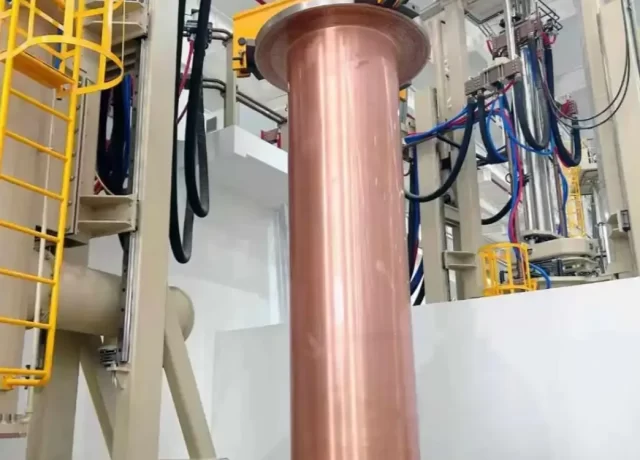
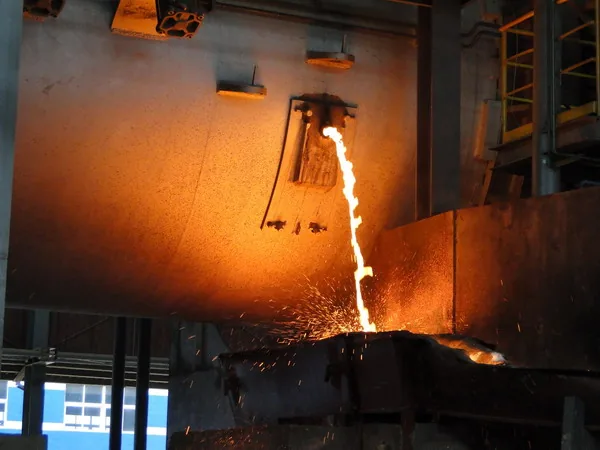
Drawing-based copper components for aluminum casting and cast-rolling lines, matched to DC, wheel-and-belt, moving-mold, twin-roll, or other confirmed equipment designs.
Application Scope and Casting Route
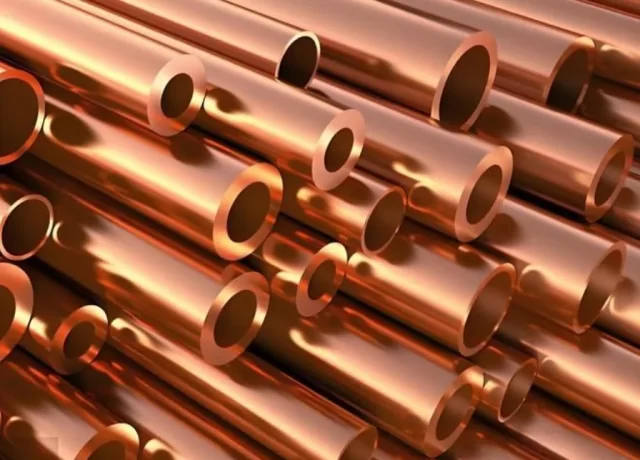
Winworth manufactures drawing-based copper and copper-alloy components for selected positions in aluminum casting and cast-rolling equipment. The line architecture must be identified before a mold, wheel, roll, sleeve, ring, insert, cooling part, or machined replacement is selected.
Direct chill (DC) casting solidifies billet or rolling ingot through a mold and direct water cooling as the product exits. Wheel-and-belt continuous casting uses a moving mold groove and belt to form a continuous section before downstream rolling. Other strip routes may use a moving copper mold, twin rolls, or proprietary caster and inline hot-rolling arrangements. These systems have different heat-transfer surfaces, motion, cooling, interfaces, maintenance, and acceptance criteria.
Mold, Wheel, and Roll Identity
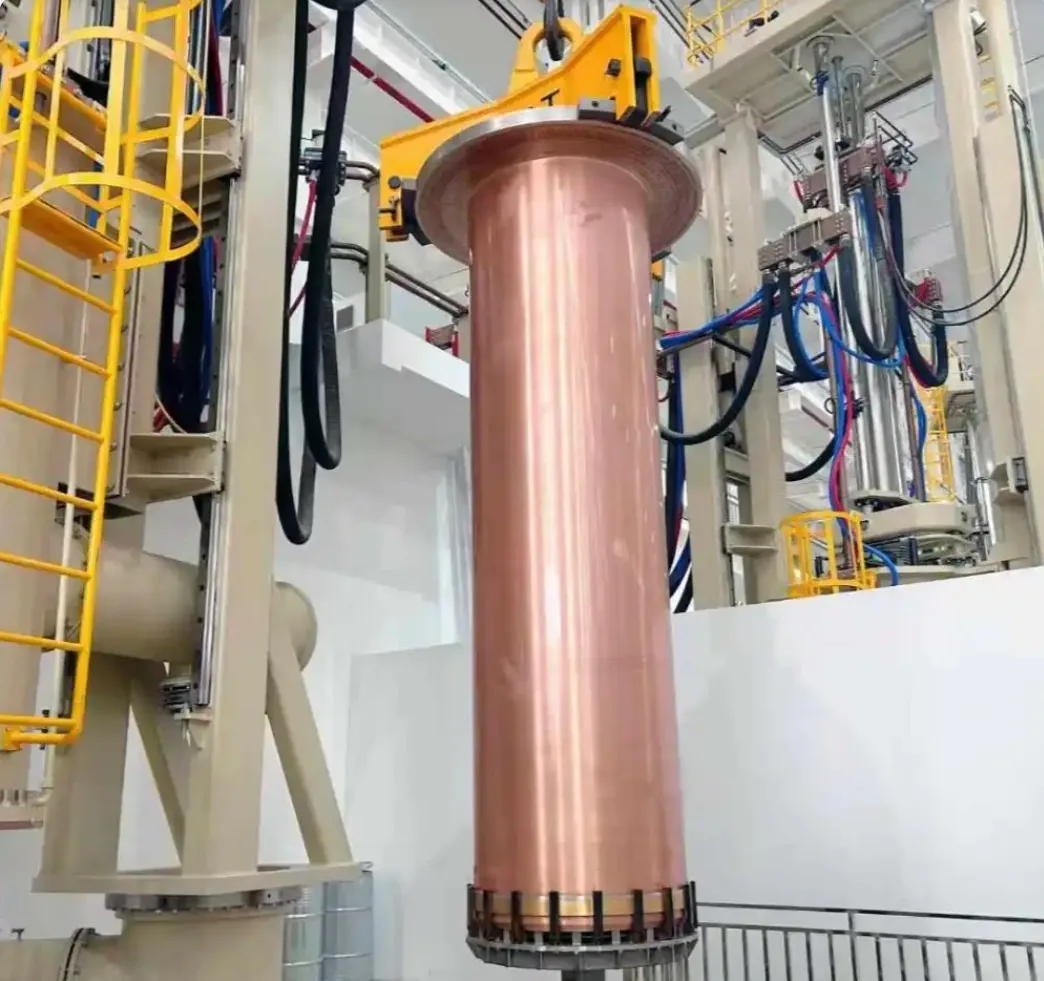
The phrase aluminum casting mold does not automatically mean a copper mold. Official DC casting examples include precision-machined aluminum mold bodies. A copper insert, ring, plate, cooling component, or other part should be quoted only when the buyer's drawing identifies that material and supply boundary.
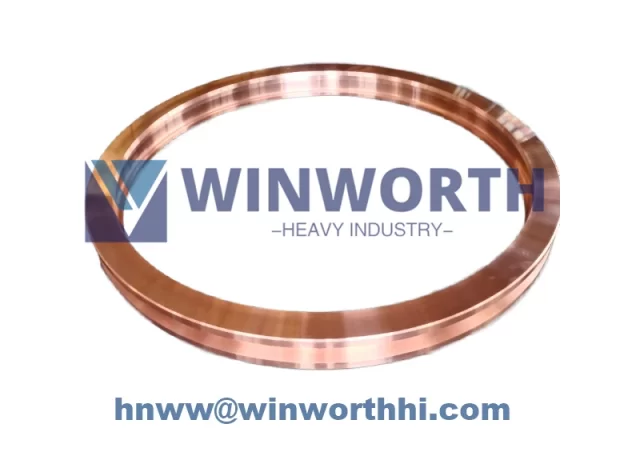
A CuCrZr crystallization wheel belongs to a confirmed wheel-and-belt CCR line and is reviewed by groove profile, wheel diameter, rim and hub construction, cooling passages, band interface, drive and support datums, balance, runout, joining, and repair boundary. It must not be used as a substitute description for a DC mold, a moving-mold strip caster, or a twin-roll casting roll.
Cast-rolling may describe casting followed by inline rolling, or it may be used loosely for a twin-roll casting process. The RFQ must state where solidification ends and rolling begins, whether the ordered item rotates or translates, and whether the scope is a complete assembly, a copper body, an insert, a sleeve, a ring, a cooling part, or a machined replacement.
Cooling, Interfaces, and Inspection
Provide molten-metal entry and level-control arrangement, alloy, section and output form, casting direction, active solidification geometry, contact surface, draft or groove, starting arrangement, withdrawal or motion, support and drive interfaces, seals, water circuits, connections, flow direction, circuit separation, monitored points, access, removal, and maintenance method.
Material and temper, blank route, machining, drilling, forming, welding or other joining, heat treatment, surface finish, coating, and repair restrictions follow the approved equipment drawing. Inspection may include material verification, cavity or groove profile, diameter, concentricity, runout, flatness, alignment, balance when specified, passage mapping, joints and closures, NDT, pressure or leakage testing, circuit separation, fit, and documents.
No casting speed, heat-removal capacity, alloy range, strip or billet quality, grain structure, surface quality, yield, productivity, or service life is inferred from the component alone.
RFQ Information
Provide caster type and maker, line layout, casting and rolling sequence, aluminum alloy, product section, component drawing and revision, exact supply boundary, material and temper, motion and support arrangement, cooling map, connections, interfaces, tolerances, surface requirements, balance, NDT and test procedure, quantity, records, packaging, lifting, and destination.