Application
Copper Components for Continuous Casting and Rolling Lines
Drawing-based copper components for steel, copper, and aluminum casting or rolling lines, matched to metal, mold architecture, geometry, cooling, interfaces, and inspection.
Application Scope
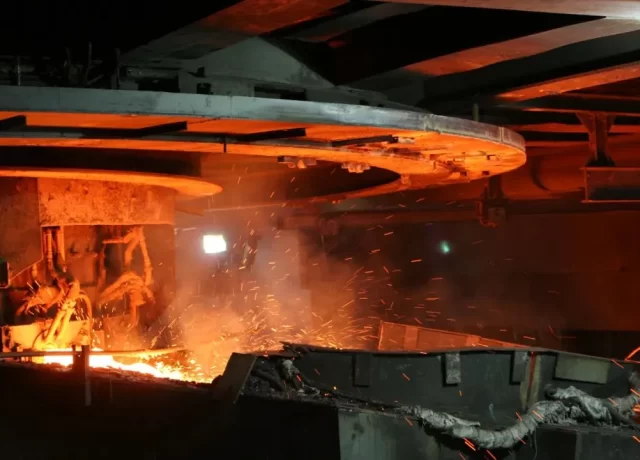
Winworth manufactures drawing-based copper components for continuous casting and rolling equipment used with steel, copper, or aluminum. The existing application page is shared by the Iron and Steel and Copper and Non-Ferrous Metallurgy navigation routes, so the metal, line type, and mold architecture must be identified before a product family is selected.
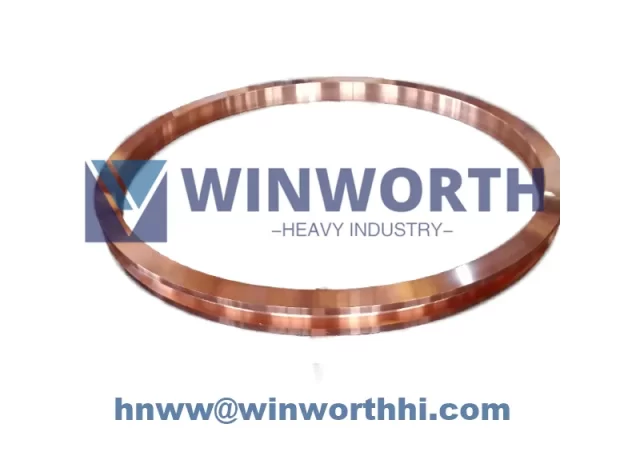
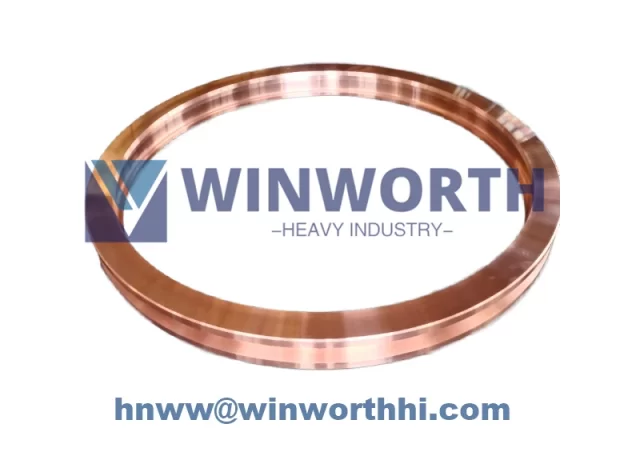
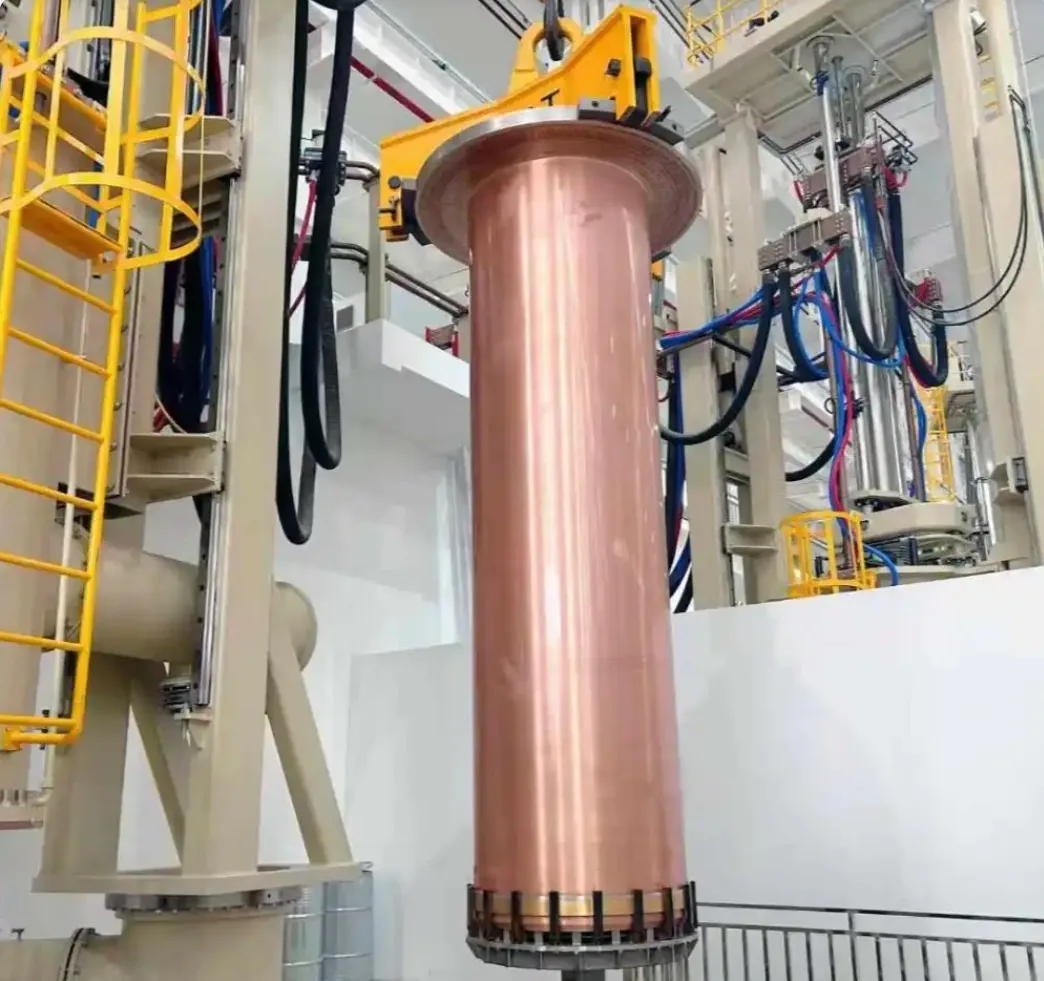
Steel continuous-caster scope may include complete copper mold assemblies, mold plates, replaceable mold tubes, and explicitly ordered coating or machining. Copper or aluminum continuous casting and rolling (CCR) lines may instead use a CuCrZr crystallization wheel or rim with a steel belt. These are separate architectures: a CCM mold assembly and replaceable mold tube are different order boundaries, and a wheel-and-belt CCR crystallization wheel is not a steel CCM mold.
Caster and Rolling-Line Interfaces
For steel caster parts, provide caster type, strand position, billet, bloom, slab, round, beam-blank, or other section, mold length, cavity and taper definition, corner profile, meniscus and coating zones, backing or housing, cooling channels, water connections, seals, mounting datums, oscillation interfaces, and surrounding clearances.
For wheel-and-belt CCR equipment, provide the processed metal, wheel and groove geometry, belt width and contact, casting direction, cooling zones and passages, hub, shaft and drive interfaces, runout or balance requirements, and the exact wheel, rim, or assembly boundary. For downstream rolling-line parts, identify the stand or auxiliary equipment, movement and load direction, shaft or housing fit, lubrication, wear surfaces, operating clearances, mating materials, replacement access, and the current failure mode.
Material, Manufacturing, and Inspection
Copper or copper-alloy grade, condition, blank route, machining, forming, heat treatment, coating, joining, assembly, and repair limits follow the approved equipment specification. Coating name, CuCrZr abbreviation, or mold architecture alone does not establish casting speed, surface quality, load capacity, or replacement interval.
CCM inspection may include cavity, taper, profile, wall, alignment, coating, cooling-path and leakage checks. CCR wheels may require groove profile, runout, concentricity, hub and cooling-passage checks, balance when specified, and agreed NDT. Other rolling-line components may require material, dimensions, fit, hardness or surface checks when specified. The inspection plan follows the actual architecture and ordered boundary.
RFQ Information
Provide the processed metal, line and equipment position, CCM or CCR architecture, latest drawings, cast section or groove and belt data, exact component scope, material and condition, coating when applicable, cooling or lubrication data, interfaces, tolerances, failed-part evidence, tests, quantity, records, packaging, and destination.