Industry
Copper Components for Copper and Non-Ferrous Metallurgy
Drawing-based copper components for non-ferrous smelting, converting, furnace cooling, and continuous casting positions, matched to equipment and process requirements.
Industry Scope
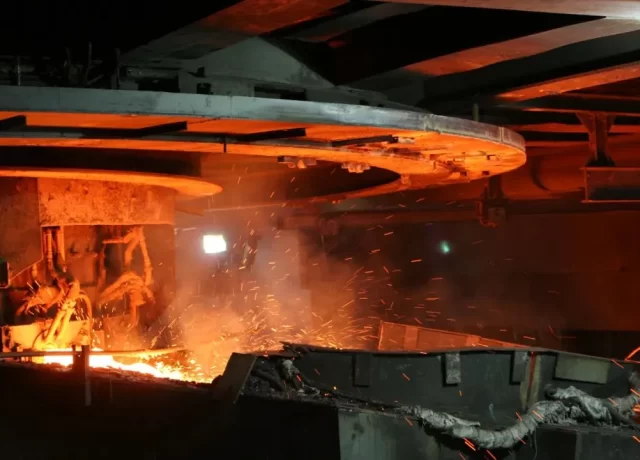
Winworth manufactures drawing-based copper and copper alloy components for copper and non-ferrous smelting, converting, furnace cooling, continuous casting, and connected rolling equipment. The technical review starts with the processed metal, feed and product route, furnace or line type, installed position, and exact component function.
The same words, such as cooling jacket, panel, lance head, tuyere, mold, or crystallization wheel, can describe different parts in copper, nickel, lead, zinc, aluminum, recycling, and other non-ferrous plants. The buyer's drawing and equipment documentation control the product identity; an industry label alone does not establish compatibility.
Equipment and Component Families
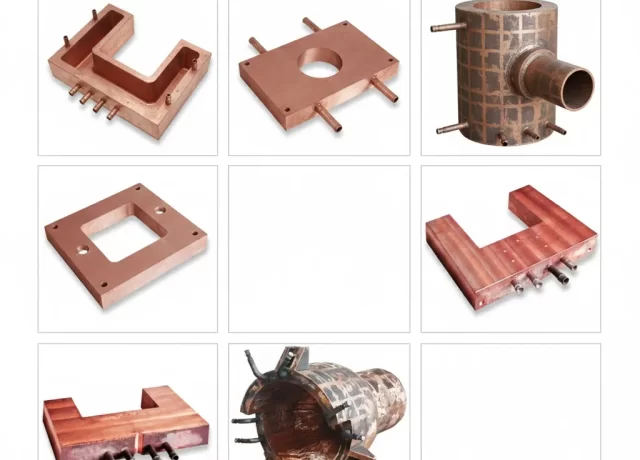
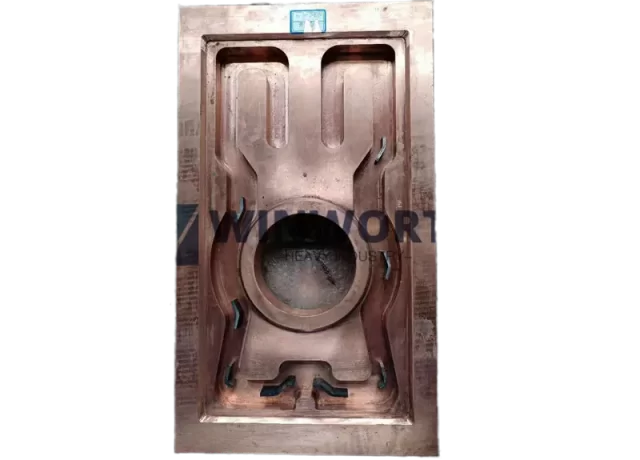
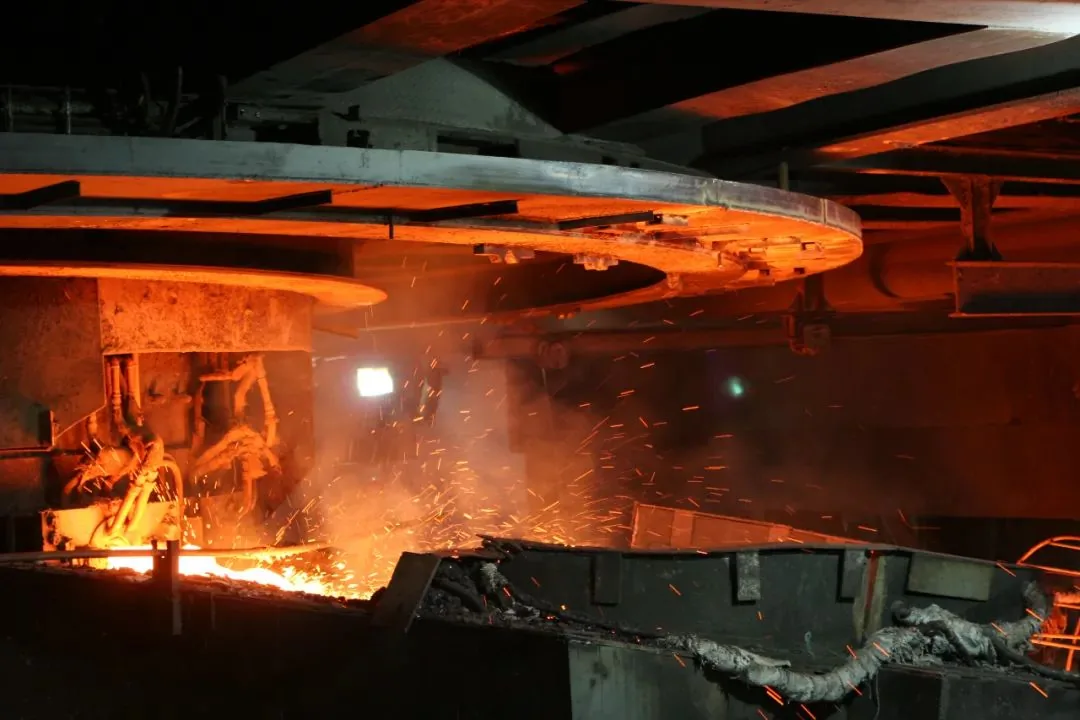
Flash-furnace and top-submerged-lance (TSL) inquiries may include water-cooled copper jackets, panels, blocks, burner-area parts, lance-related cooling components, and other drawing-defined furnace elements. Converter or blowing-furnace inquiries may include tuyeres, lance heads or nozzles, cooling jackets, panels, mouth-area components, and related replacements according to the installed blowing arrangement.
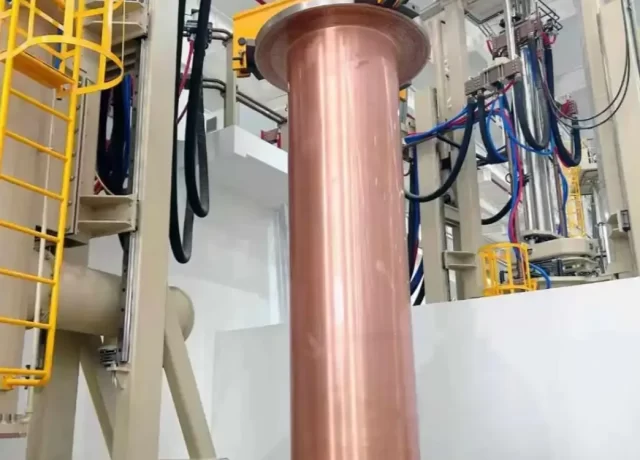
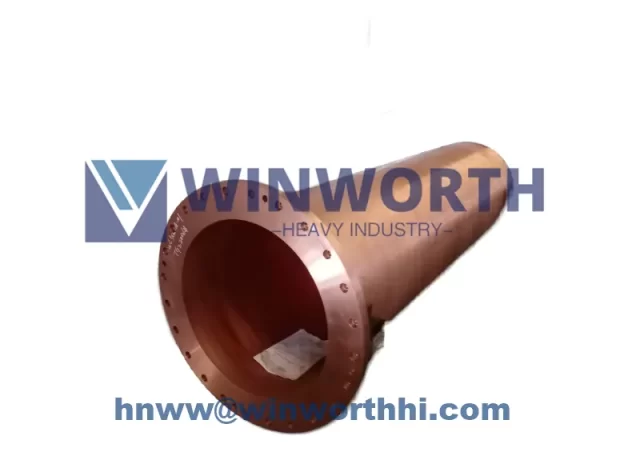
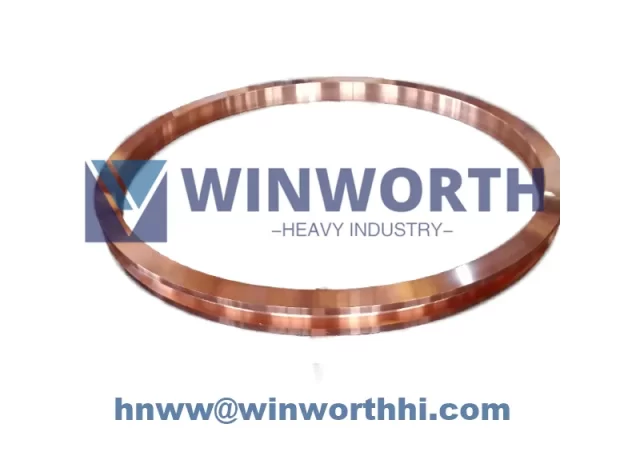
Continuous casting and rolling lines may use stationary molds or wheel-and-belt crystallization equipment depending on the metal and line architecture. The shared application page separates steel CCM mold assemblies and tubes from copper or aluminum CCR crystallization wheels and connects each inquiry to the correct product family.
Engineering and Quality Review
Provide the process metal, furnace or line technology, equipment maker and model when available, position, drawing revision, refractory and shell relationship, cooling or blowing paths, connections, mating equipment, material specification, known failure evidence, maintenance access, and shutdown or replacement schedule.
Inspection follows the component function and may include material verification, dimensions and interfaces, cooling-passage mapping, joint examination, specified NDT, pressure or leakage testing, nozzle or tuyere geometry, coating or surface checks, assembly fit, and document review. No single test plan is valid for all smelting, converter, and casting parts.
RFQ Information
Provide the processed metal and process stage, equipment and component drawings, exact supply boundary, material and construction, cooling or blowing data, interfaces, tolerances, photos and service history, test procedures and acceptance criteria, quantity, records, packaging, lifting requirements, destination, and requested delivery schedule.