Industry
Custom Components for Mining and Heavy Equipment
Custom components for mining and heavy equipment, matched to confirmed machine, duty, wear mechanism, interfaces, material route, dimensions, and inspection plan.
Industry Scope
Winworth manufactures drawing-based components for selected wear, sliding, support, protection, and replacement positions in mining, mineral-processing, bulk-material-handling, and heavy mechanical equipment. The industry page routes an inquiry to the relevant application and product family; it does not define a standard equipment package.
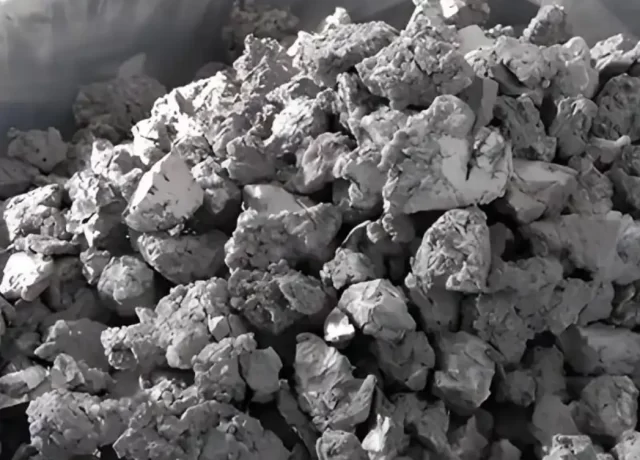
Equipment context may include primary, secondary, or tertiary crushing; coarse or fine grinding; conveying and feeding; hoppers, chutes, and transfer points; and buyer-defined heavy machinery. Each inquiry is reviewed by actual machine type, maker and model, component position, duty, material handled, interfaces, and maintenance method.
Application and Product Routing
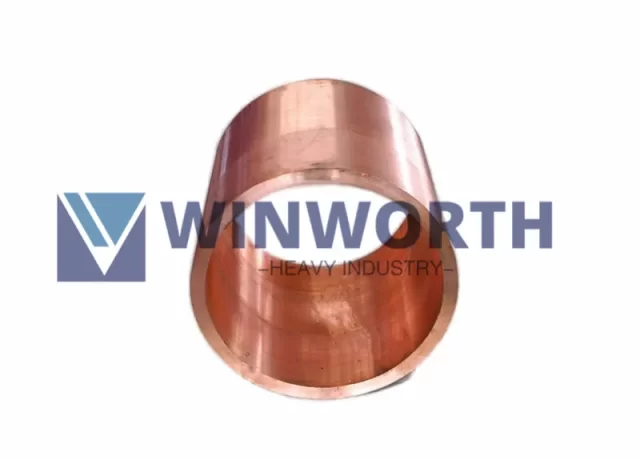
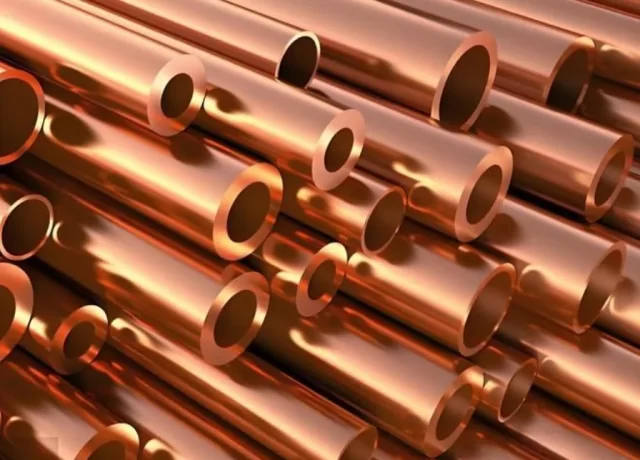
Crushing / Grinding Equipment covers components for confirmed crusher and mill positions. Typical Winworth routes include copper-alloy bushings and sleeves, wear liners, and drawing-defined cast or machined replacement parts. Crusher liners, mill liners, plain-bearing components, rolls, rings, and structural parts remain separate product identities.
Conveying / Wear System covers selected liners, plates, bushings, sleeves, and custom parts around conveyors, feeders, hoppers, chutes, loading zones, and transfer points. The ordered component does not represent the belt, idler set, pulley, drive, structure, dust-control system, or complete conveyor.
Custom Mining Equipment covers non-standard parts manufactured from an approved drawing or from a controlled reconstruction process. A worn sample or photograph may support identification, but neither is sufficient to establish unworn geometry, material, tolerance, load, or safe upgrade requirements.
Duty, Material, and Failure Review
Provide the material handled, lump size range, hardness or abrasiveness data when available, moisture, temperature, contamination, impact, sliding or rolling contact, oscillation, speed, load direction, duty cycle, lubrication, corrosion, dust, and cleaning conditions. Identify whether the concern is abrasive wear, impact, gouging, deformation, cracking, fatigue, seizure, corrosion, fretting, misalignment, loosening, or another observed mechanism.
Material selection follows the approved part specification and actual failure mode. Hardness alone does not define a suitable wear material; toughness, section, heat treatment, support, fastening, fit, lubrication, impact, and maintenance access may also control the result. Copper alloy is not assumed for every mining component.
Engineering and Quality Review
Provide the assembly drawing, part drawing and revision, equipment maker and model, component position, mating parts, datum scheme, fits, clearances, tolerances, surface requirements, fastening, lubrication, original material, proposed material change, manufacturing route, heat treatment, weld or repair boundary, inspection history, and sample condition.
Inspection may include material verification, chemistry or mechanical-property records when ordered, dimensions and datums, fit and contact surfaces, profile or template checks, hole and fastener pattern, hardness mapping, specified NDT, heat-treatment records, surface condition, coating, trial fit or assembly, marking, and documentation.
No wear life, load capacity, throughput, power saving, maintenance interval, interchangeability, or equipment performance is promised without validated operating data, an approved design, and an agreed acceptance method.
RFQ Information
Provide the mine or plant process, equipment and component position, maker and model, drawings and revisions, sample and wear photographs, material handled and operating data, original and requested material, mating-part dimensions, interfaces, fits, tolerances, fastening, lubrication, heat treatment, NDT and inspection, quantity, records, packaging, lifting, destination, and requested delivery schedule.