Application
Components for Coal Chemical Furnaces and Gasifiers
Drawing-based coal chemical furnace and gasifier components matched to reactor architecture, process zone, media, temperature, pressure, erosion, corrosion, cooling, and tests.
Equipment Architecture
Winworth manufactures drawing-based components for confirmed positions in coal chemical furnaces, gasifiers, pyrolysis units, heaters, and related thermal-process equipment. The purchasing term coal chemical furnace does not define one standard machine.
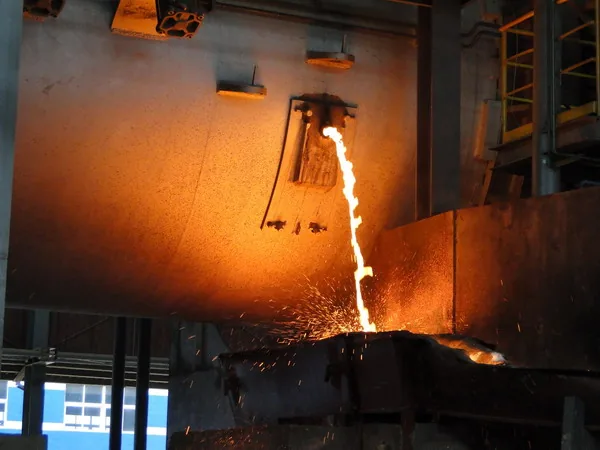
Commercial gasifiers may use moving-bed, fluidized-bed, entrained-flow, or other owner-defined architectures. Feed form, oxidant, steam, pressure, temperature, slag behavior, ash, refractory, cooling, syngas path, solids handling, and maintenance access differ. Coke ovens, coal pyrolysis units, gasifiers, reformers, boilers, and fired heaters require separate review.
Component Position and Product Routing
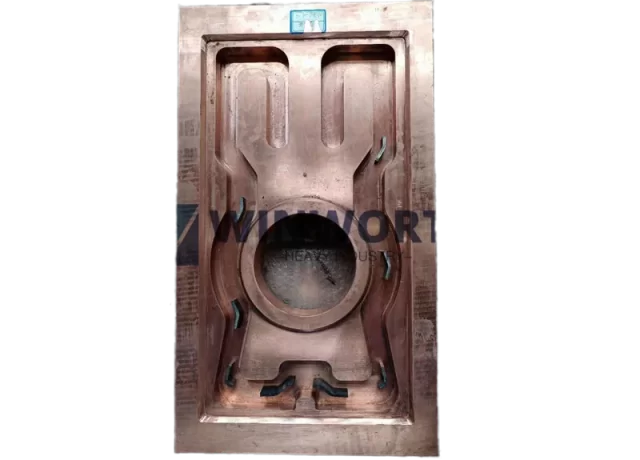
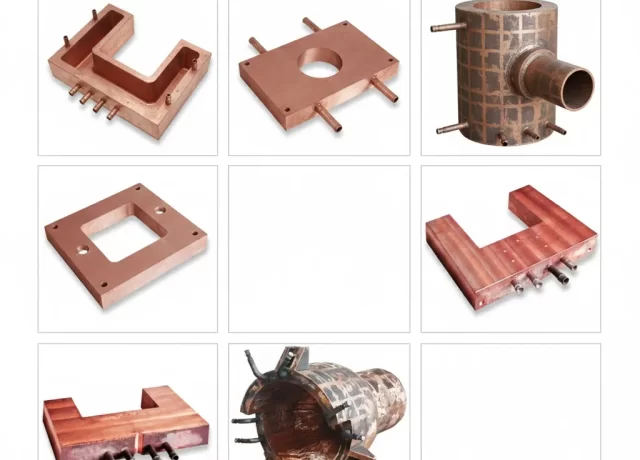
Typical drawing-based inquiries may involve burner-zone cooling panels, water-cooled jackets, cooling interfaces, nozzles or sleeves, refractory supports, feed or discharge components, internal wear parts, special-alloy machined parts, and buyer-defined replacement hardware.
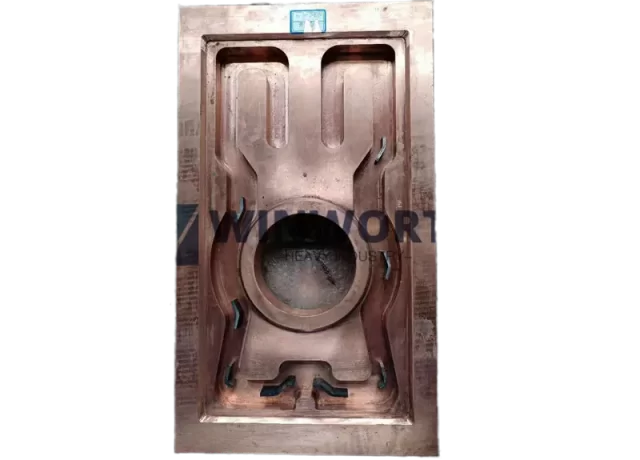
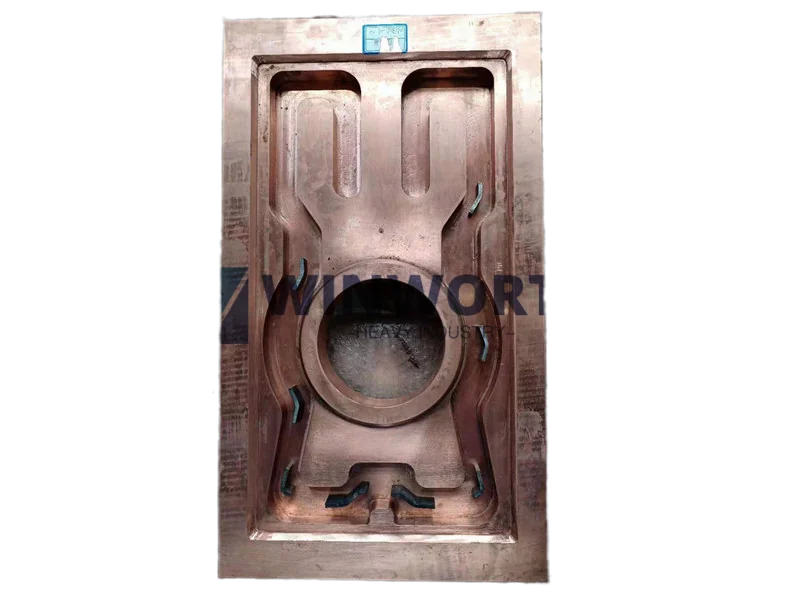
Link Copper Burner Cooling Panel only when the drawing confirms a matching burner-zone cooling component. Link Copper Water Cooling Jacket for Ausmelt Furnace only when the equipment actually uses the corresponding water-cooled jacket architecture and interfaces. An Ausmelt-named product is not a generic gasifier or coal-furnace jacket.
Process, Heat, Erosion, and Corrosion Inputs
Provide equipment type and licensor terminology, tag and process zone, feed composition and size, gas and liquid chemistry, ash and slag composition, pressure, temperature envelope, reducing or oxidizing conditions, velocity, solids loading, erosion direction, deposition, thermal cycles, startup and shutdown conditions, cooling medium, water quality, flow and pressure inputs, refractory or lining, adjacent materials, and observed damage.
Do not infer material from furnace temperature alone. High-temperature oxidation, sulfidation, carburization, metal dusting, erosion, corrosion under deposits, thermal fatigue, creep, aqueous corrosion, and other damage mechanisms require owner or licensor assessment against the actual process environment.
Manufacturing, Inspection, and RFQ Information
Provide controlled drawings, assembly context, material and condition, casting or wrought route where specified, weld and joint details, cooling passages, connections, datums, tolerances, refractory interfaces, coatings, inspection plan, NDT, pressure or leakage test conditions, material records, traceability, quantity, packaging, and destination.
Cooling-component inspection may verify material, geometry, passage continuity, connection details, specified NDT, pressure or leakage testing, marking, and records. It does not validate plant cooling capacity, water treatment, pump duty, monitoring, interlocks, refractory design, process safety, or furnace performance.
No gasification rate, conversion, syngas quality, heat duty, heat flux, refractory life, erosion rate, corrosion rate, cooling performance, campaign length, or equipment availability is promised from a replacement component.