Application
Special Alloy Piping and Valve Parts for Corrosive Service
Custom piping and valve parts for hot corrosive service, matched to process media, temperature, pressure, flow, damage mechanisms, material, code, and inspection.
Component Scope and Pressure Boundary
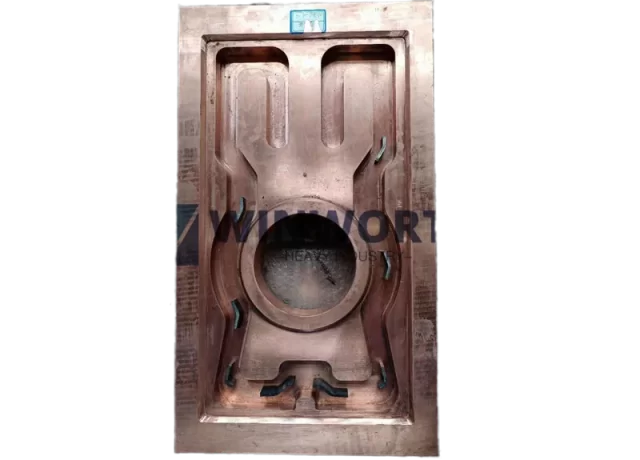
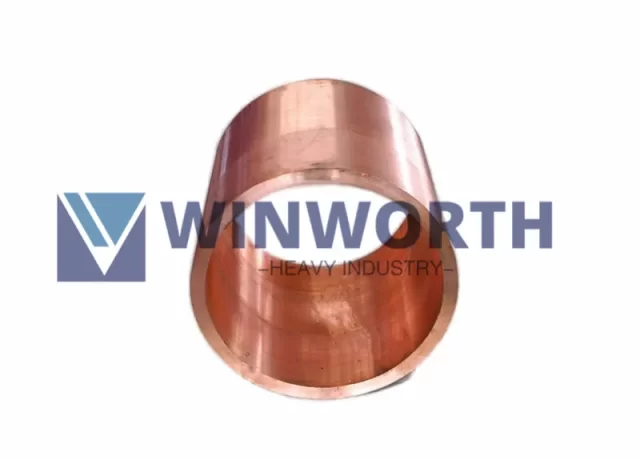
Winworth manufactures drawing-based valve trim, stems, seats, discs, plugs, cages, sleeves, bushings, liners, fitting or flange blanks, wear parts, and other buyer-defined special-alloy components for hot or corrosive service. The exact ordered item must be identified as pressure-retaining, pressure-controlling, internal, replaceable, structural, or semi-finished material.
A valve part is not a complete valve, and a machined fitting component is not a complete process piping system. Pressure-temperature rating, flow coefficient, shutoff class, fugitive-emissions performance, fire-safe qualification, functional safety, piping flexibility, supports, joining, installation, commissioning, and system code compliance remain outside a component order unless explicitly included and validated.
Media, Corrosion, and Damage Inputs
Provide complete media composition and credible variations, impurities, pH where relevant, water content or activity, chlorides, sulfur species, H2S, oxygen, solids, phase, velocity, turbulence, flashing or cavitation, temperature and pressure envelope, startup, shutdown and cleaning conditions, thermal cycling, galvanic couples, deposits, dead legs, crevices, erosion, and observed damage.
General corrosion, pitting, crevice corrosion, stress-corrosion cracking, sulfidation, oxidation, carburization, metal dusting, erosion-corrosion, cavitation, galling, and wear are different mechanisms. The owner or corrosion specialist must identify credible mechanisms and select the governing material, corrosion allowance, heat treatment, hardness, welding, coating or lining, inspection, and qualification requirements.
ASTM G31 is a guide for laboratory immersion corrosion testing and does not make accelerated results universally predictive. ASTM G48 compares pitting and crevice-corrosion resistance of stainless steels and related alloys under specified ferric-chloride conditions; it does not prove suitability in every process medium. Use any corrosion test only when the purchase specification defines the method, specimen, environment, acceptance criteria, and relationship to service.
Codes, Materials, and Product Routing
ASME B31.3 applies to process piping within its defined scope when cited by the project. ASME B16.34 applies to matching new valve construction and covers pressure-temperature ratings, materials, dimensions, examination, testing, and marking when invoked. A component order does not automatically receive complete piping-system or valve certification.
State the governing code and edition, component standard, pressure class or design conditions, material standard and exact designation, product form, condition, heat treatment, corrosion and mechanical requirements, weld or overlay procedure, dimensions, allowances, NDT, pressure or leakage tests, marking, traceability, and documentation.
Aluminum Bronze Bar / Plate / Forging may be linked only when the buyer has already selected a matching aluminum-bronze grade and semi-finished form. That material page does not establish corrosion suitability and does not represent a completed valve, fitting, trim set, sleeve, or liner.
Inspection and RFQ Information
Inspection may include material identification and certificates, chemistry and properties when ordered, hardness, ferrite or other material-specific checks where specified, dimensions and datums, surface finish, weld or overlay records, heat treatment, specified NDT, pressure or leakage testing for the ordered scope, corrosion tests, coating or lining checks, marking, traceability, and document review.
Provide system and component drawings, tag and position, component identity, service media and variations, operating and design conditions, credible damage mechanisms, governing code and edition, material and condition, pressure class, interfaces, tolerances, tests, records, quantity, packaging, destination, and requested schedule.
No universal corrosion resistance, zero leakage, pressure rating, flow capacity, emissions class, fire-safe performance, maintenance interval, or service life is promised for an individual part or material form without the complete validated assembly and service specification.