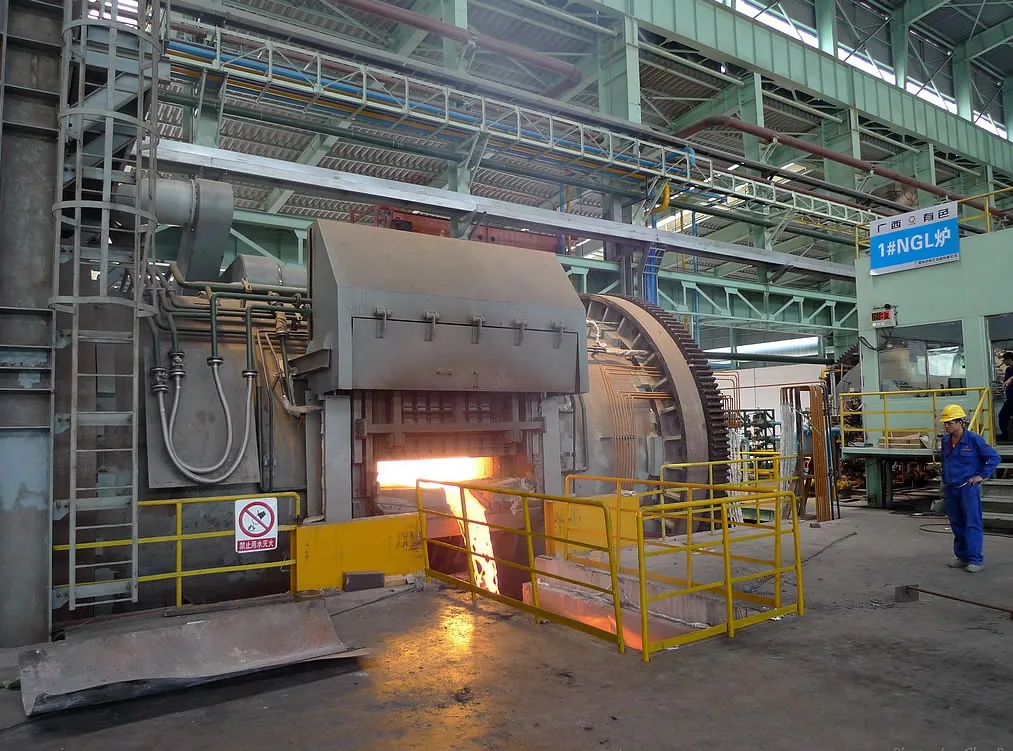
Application
Water-Cooled Copper Components for Smelting Furnace Systems
Custom water-cooled copper components for smelting and ferroalloy furnaces, matched to heat zone, refractory interface, circuits, connections, monitoring, and inspection.
Shared Application Scope
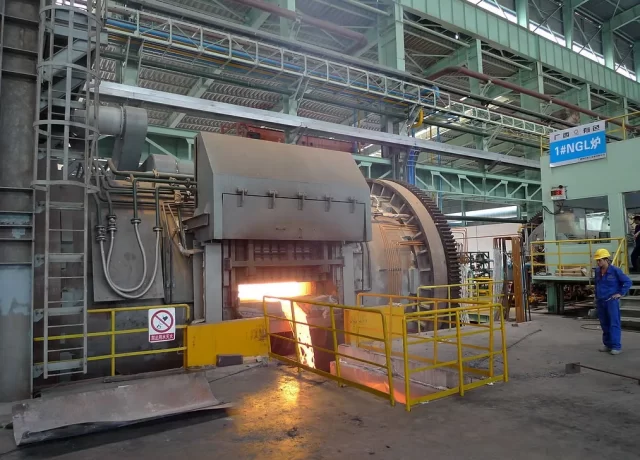
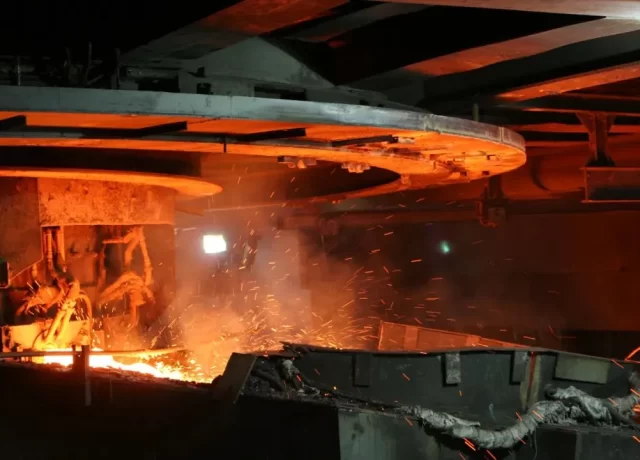
Winworth manufactures drawing-based water-cooled copper and copper-alloy components for selected positions in smelting and ferroalloy furnace cooling systems. This shared application serves Lead and Zinc Smelting and Ferroalloys because both industries may use cooling elements around high-heat furnace zones. It does not imply that their furnaces, heat loads, refractory systems, cooling philosophy, or component geometry are the same.
A furnace cooling system combines the cooling element, supply and return circuits, connections, distribution, monitoring, controls, operating procedure, and maintenance response defined by the plant. Winworth's ordered scope may be one component or a drawing-defined assembly. It is not automatically the complete system and does not transfer plant-level safety responsibility from the owner, designer, or approved integrator.
Cooling Element and Furnace Zone
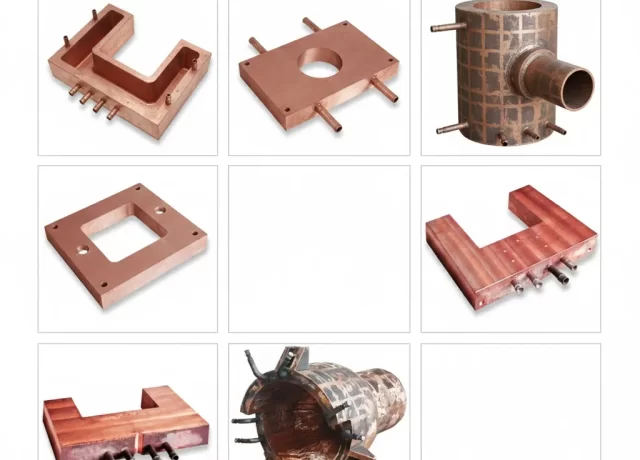
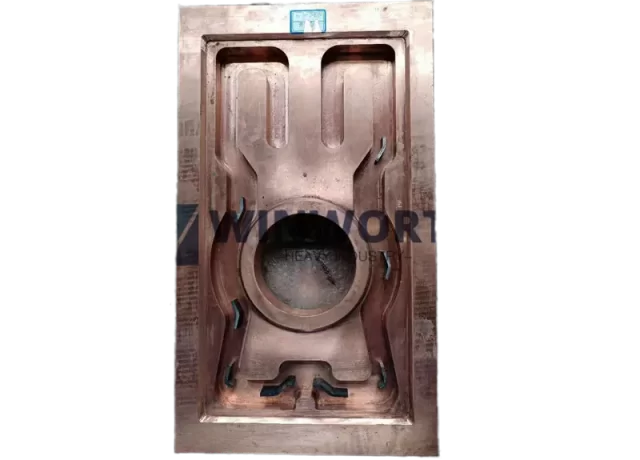
Possible component types include water jackets, cast or fabricated panels, plates, blocks, staves, copper inserts, burner or lance-area cooling elements, taphole-area parts, roof or sidewall elements, pipes, connection blocks, and custom assemblies. Product terminology must follow the furnace drawing and position rather than appearance alone.
Provide the furnace type and process, shell and refractory arrangement, protected zone, hot-face orientation, heat-load data supplied by the buyer, normal and upset conditions, thermal expansion, supports, mounting, seals, fasteners, lifting, removal, inspection access, and replacement strategy.
Circuit, Monitoring, and Test Boundary
The cooling map should identify every independent circuit, supply and return route, channel construction, inlet and outlet, flow direction, pipes, headers or manifolds included in scope, partitions, plugs, closures, joints, circuit separation, material transitions, sensors, monitored points, alarm or interlock interfaces supplied by the buyer, medium, water-quality limits, operating inputs, test pressure, leakage criterion, drying, preservation, and commissioning responsibility.
Do not combine independent circuits, remove monitoring points, alter connection orientation, change passage geometry, or infer a retrofit from a general product page. Any deviation requires engineering review and buyer approval against the complete furnace cooling and hazard-control documentation.
Material, Manufacturing, and Inspection
Copper grade and condition, forged, rolled, cast, continuously cast, machined, drilled, fabricated, welded, brazed, or assembled construction, joining qualification, heat treatment, coating, hot-face finish, cleaning, and documentation follow the approved component specification.
Inspection may include material records, dimensions and datums, passage mapping, wall sections, alignment, joint and closure review, specified NDT, hydrostatic, pneumatic or other buyer-approved leakage testing, circuit separation, flow verification when ordered, cleanliness, fit, marking, and records. Test media, pressure, duration, acceptance, drying, and post-test protection must be agreed before manufacture.
No universal heat-removal capacity, flow, pressure, furnace availability, refractory protection, alarm performance, campaign life, or service life is claimed. System performance depends on the complete furnace design, operating conditions, water network, monitoring, maintenance, and acceptance plan.
RFQ Information
Provide furnace and cooling-system drawings, process and furnace zone, component type and exact supply boundary, material, construction route, refractory and shell interfaces, full circuit map, headers and monitoring interfaces, operating inputs supplied by the buyer, water quality, connections, tolerances, NDT and test procedure, drying, documentation, quantity, packaging, lifting, and destination.