Industry
Copper Components for Titanium, Zirconium & Rare Metal Melting
Drawing-based copper components for reactive, refractory, and specialty metal melting or remelting, matched to furnace process, geometry, cooling, vacuum, and interfaces.
Industry Scope
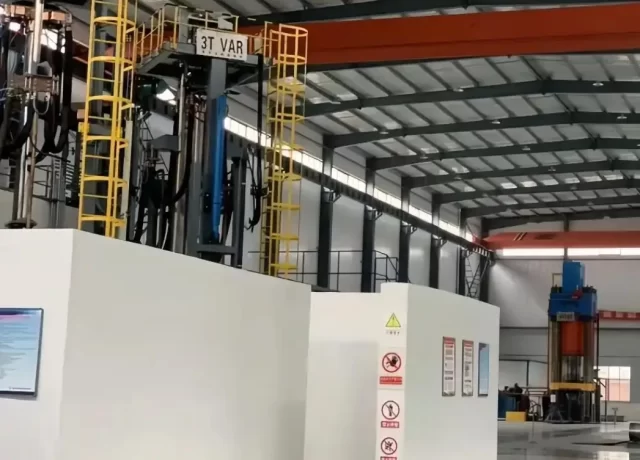
Winworth manufactures drawing-based water-cooled copper components for titanium, zirconium, reactive, refractory, and specialty-metal melting or remelting equipment. The existing industry route organizes inquiries around VAR, EB, and ESR furnaces, but suitability for a metal or alloy must follow the buyer's qualified process and furnace documentation.
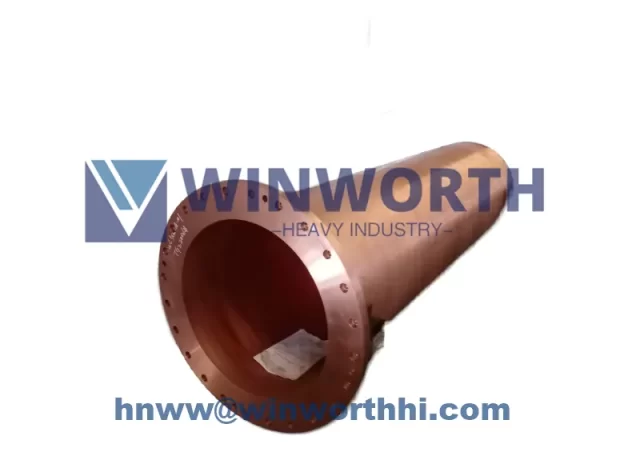
The copper component defines a cooled containment, solidification, or melt-transfer boundary. Its geometry, water circuit, interfaces, cleanliness, and inspection scope are inseparable from the furnace arrangement. A general request for a copper crucible is therefore not enough to identify a VAR crystallizer, EB cold hearth, EB mold, or ESR crucible.
Furnace and Component Families
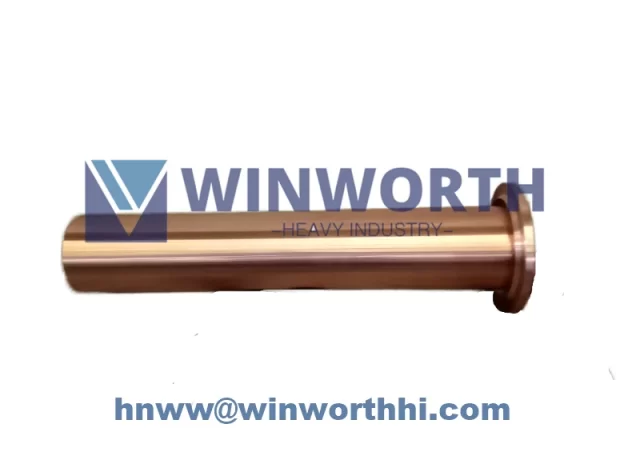
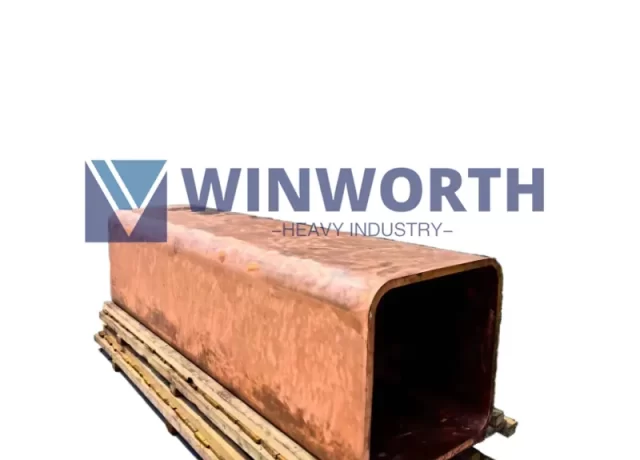
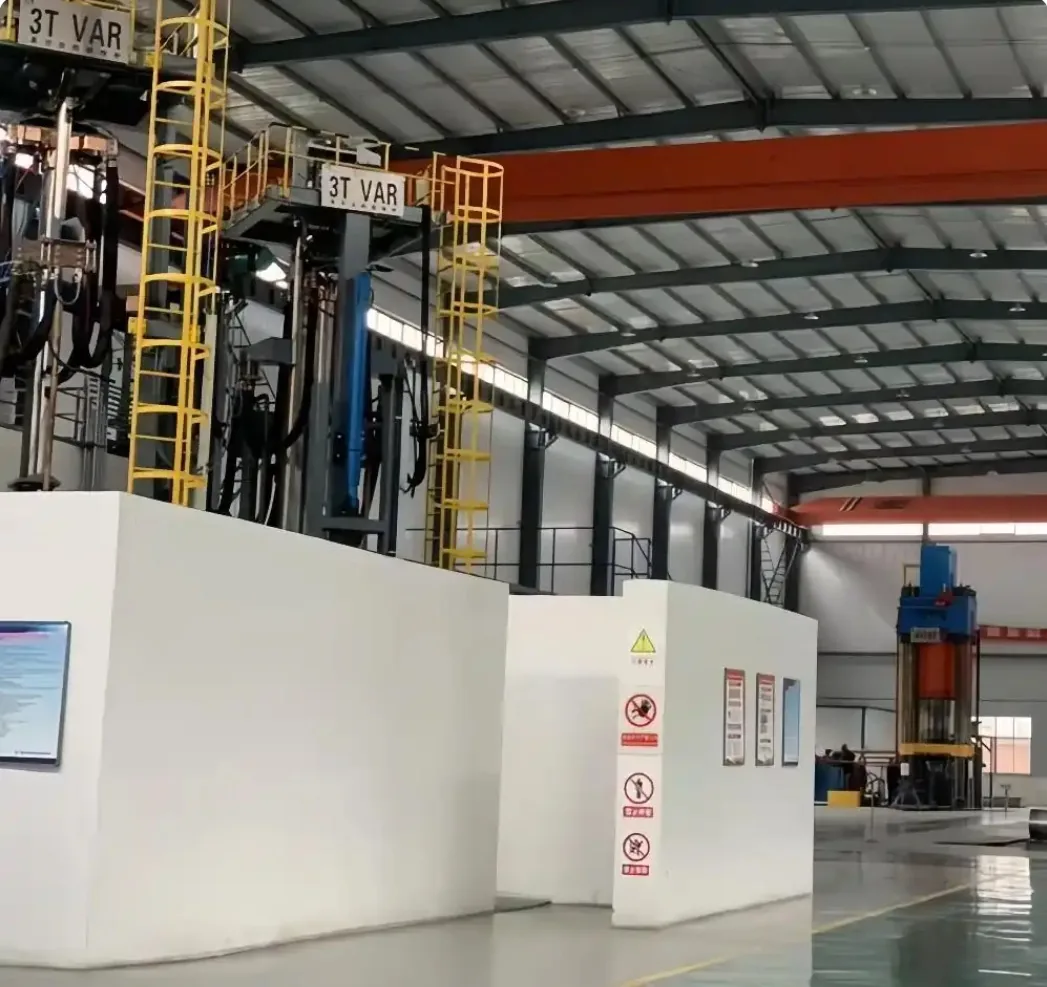
VAR scope commonly centers on a water-cooled copper crystallizer or mold, baseplate and starter interfaces, outer water jacket, connections, and related furnace hardware. EB scope may include a cold hearth with melt and refining pools, dams and pour lip, a separate withdrawal mold, connection blocks, supports, and cooling circuits. ESR scope may include a water-cooled copper crucible/mold, outer jacket, base or starter interfaces, pipes, seals, and mounting parts.
Each component family has a dedicated product page. The industry page provides process routing and RFQ guidance; it does not merge the product identities or assign one copper grade to every furnace.
Engineering and Quality Review
Provide the processed metal or alloy, furnace type and maker, equipment model when available, process arrangement, ingot or slab geometry, component position, drawing revision, exact supply boundary, material grade and condition, cooling circuits, vacuum or atmosphere interfaces where applicable, mating hardware, tolerances, cleanliness, and maintenance method.
Inspection may include material verification, cavity, pool, lip and interface dimensions, alignment, cooling-passage mapping, joints and closures, specified NDT, pressure or leakage testing, circuit separation, vacuum-compatible cleaning when required, assembly fit, and document review. The buyer's approved process and acceptance procedure control the final plan.
RFQ Information
Provide furnace and component drawings, metal or alloy, process stage, ingot geometry, exact ordered scope, copper specification, cooling map and connections, chamber, base, support or withdrawal interfaces, tolerances, NDT and test procedure, cleanliness, quantity, records, packaging, lifting, destination, and requested delivery schedule.