Industry
Copper Contact Components for Welding Equipment
Custom copper components for welding and resistance-welding equipment, matched to process, machine position, contact geometry, material, current, force, cooling, and inspection.
Industry Scope
Winworth manufactures drawing-based copper and copper-alloy contact components for selected positions in welding and resistance-welding equipment. The industry page routes inquiries to the correct application and existing product family; it does not define a standard welding machine package.
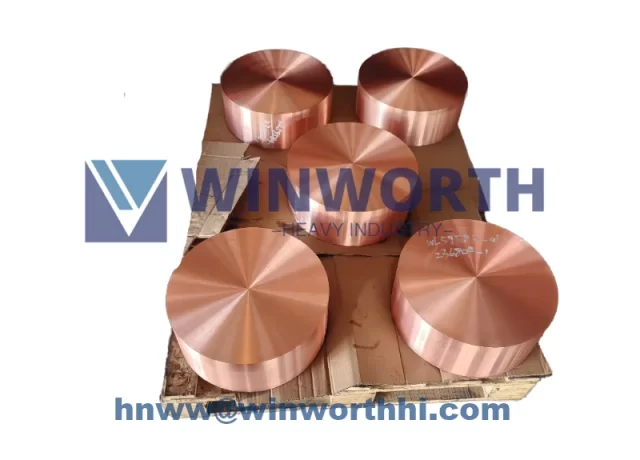
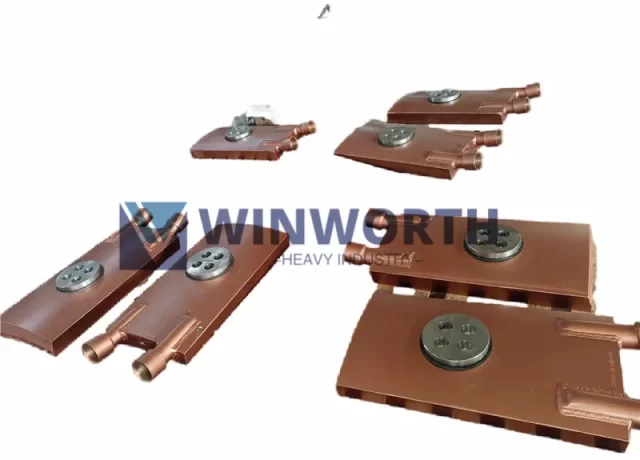
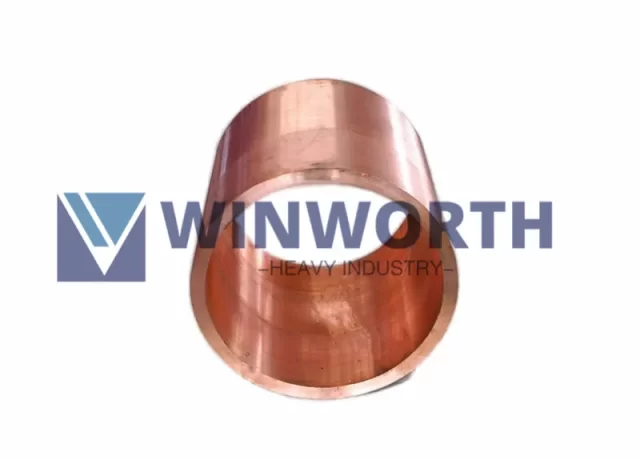
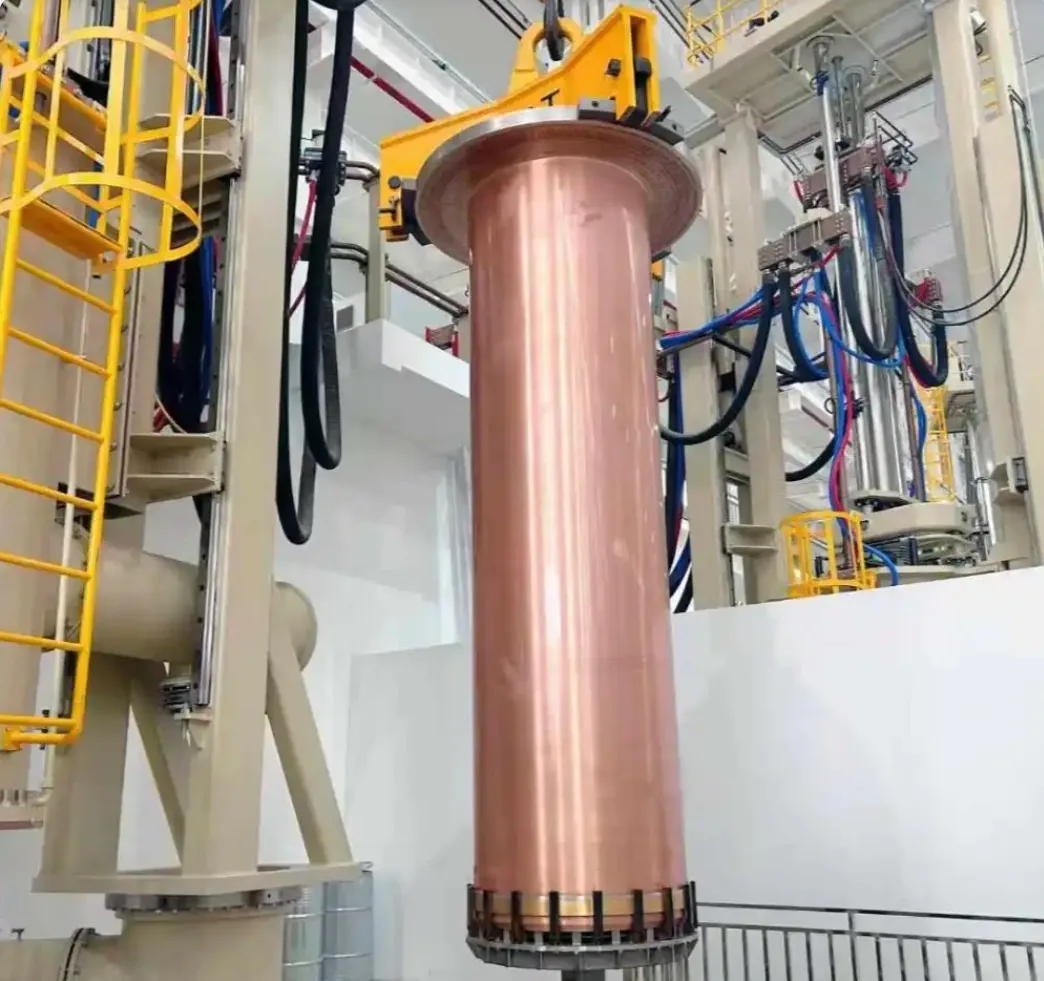
Typical context includes machine contact pads, ring-shaped contact or electrode components, spot-welding electrodes and caps, seam-welding wheels or rings, projection-welding tooling, holders, adapters, terminals, and other buyer-defined conductive wear parts. Only the ordered and approved component is included.
Application and Product Routing
Welding Machine Contact Parts covers pads, rings, electrodes, holders, adapters, terminals, and conductive wear interfaces whose geometry is controlled by the machine assembly. The existing contact-pad and CuCrZr-ring products remain separate because a flat or block contact interface is not interchangeable with an annular component.
Resistance Welding Equipment provides the process and machine context for spot, seam, projection, flash/butt, and other buyer-confirmed resistance-welding duties. It separates the copper component from the transformer, secondary circuit, weld control, force system, fixtures, cooling unit, robot, line integration, and weld procedure.
Welding Copper Consumables covers replaceable copper contact tooling managed by drawing, material, dressing limit, wear criterion, quantity, lot control, and packaging. It does not include filler metals or automatically classify every copper part as disposable.
Process, Electrical, Force, and Cooling Inputs
Provide the welding process, machine maker and model, workpiece materials, coating and thickness range, joint or projection geometry, buyer-approved weld-schedule inputs, current and time, electrode or tooling force, duty cycle, polarity or frequency where relevant, current path, contact interfaces, movement, alignment, cooling circuit, dressing method, replacement criterion, and production environment.
The weld schedule and workpiece determine the required electrode function. Material grade, conductivity, hardness, strength, softening behavior, contact-face geometry, force, cooling, alignment, and surface condition must be considered together. A CuCrZr abbreviation or RWMA/ISO class name alone is not a complete purchase specification.
Engineering, Inspection, and RFQ Information
Provide assembly and part drawings with revisions, product identity, machine and process, material standard and designation, condition, contact-face profile, dimensions and datums, taper or mounting, holes and threads, fits, force path, movement, cooling passages and connections, insulation boundaries, surface treatment, tolerances, dressing or wear limits, NDT and tests, quantity, lot and traceability requirements, packaging, destination, and requested delivery schedule.
Inspection may include material verification, conductivity or mechanical-property tests when ordered, dimensions and datums, contact-face profile and finish, concentricity or runout, taper and mounting checks, hole and thread geometry, passage mapping, pressure or leakage testing, specified NDT, fit or trial assembly, marking, and document review.
No weld current, electrode force, weld time, nugget size, joint strength, process capability, cycle rate, dressing interval, electrode life, equipment availability, or service life is promised from a copper component alone.