Application
Copper Components for Lead and Zinc Converter Blowing Systems
Drawing-based copper components for lead and zinc blowing equipment, matched to vessel type, lance or tuyere position, media, cooling circuits, mounting, and inspection.
Application Scope and Process Boundary
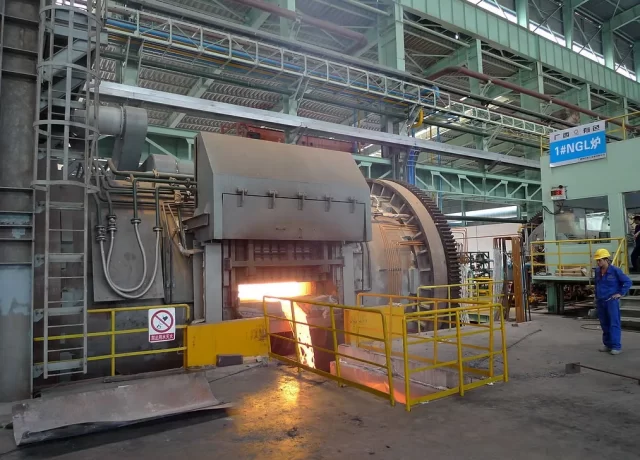
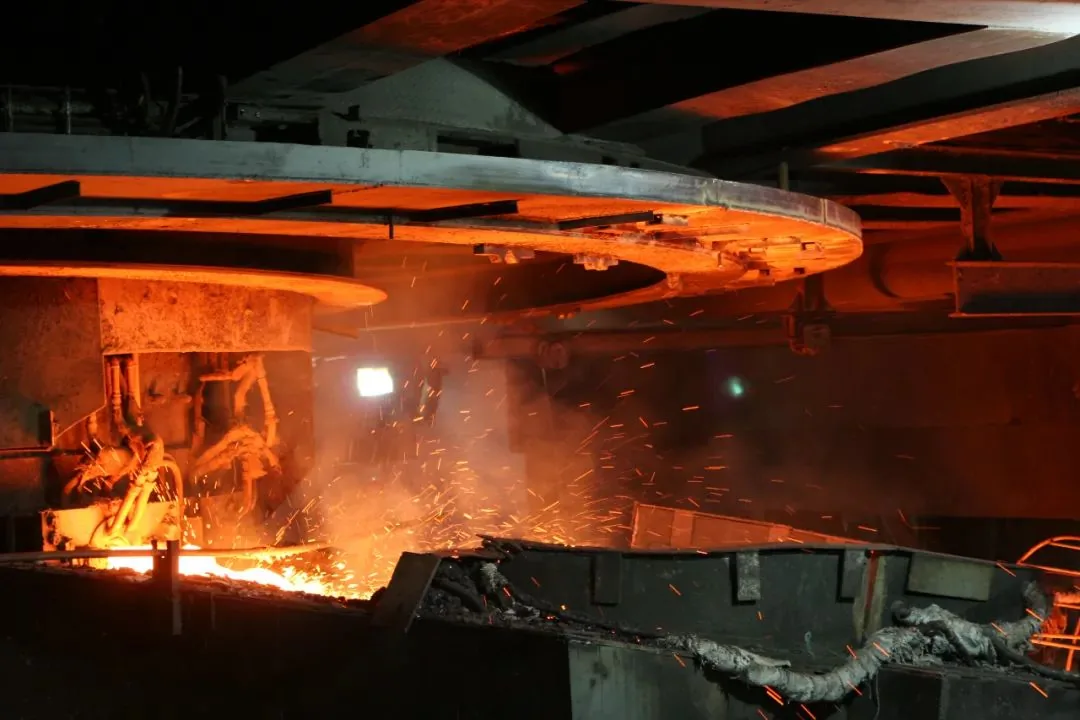
Winworth manufactures drawing-based copper and copper-alloy components for selected positions in lead and zinc converter or blowing equipment. The word converter can refer to different vessels and process duties. Depending on the plant, equipment may be stationary, tilting, rotating, top-blown, side-blown, tuyere-blown, submerged-lance, or another proprietary arrangement.
Metso's Kaldo L is an example of a top-blown rotary converter used in several non-ferrous routes, while TSL processes use a vertically suspended submerged lance in a stationary furnace. These examples confirm that vessel motion, lance position, gas path, cooling, hood, and maintenance interfaces cannot be transferred between architectures.
This page does not cover steel BOF equipment by default and remains separate from the E3-02 non-ferrous Converter / Blowing Furnace route. The buyer's plant, metal route, vessel type, process stage, and drawing control classification.
Blowing and Cooling Interfaces
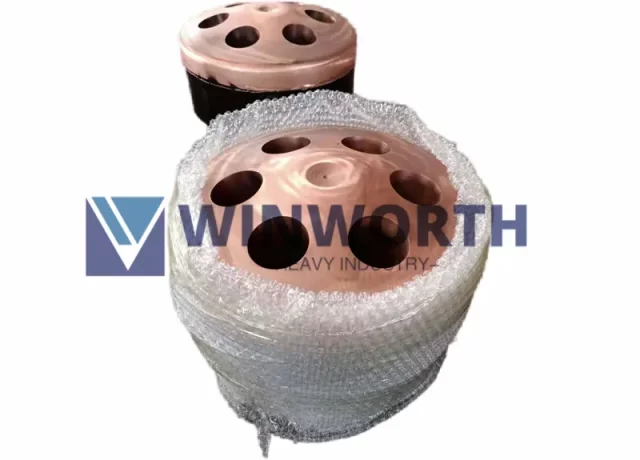
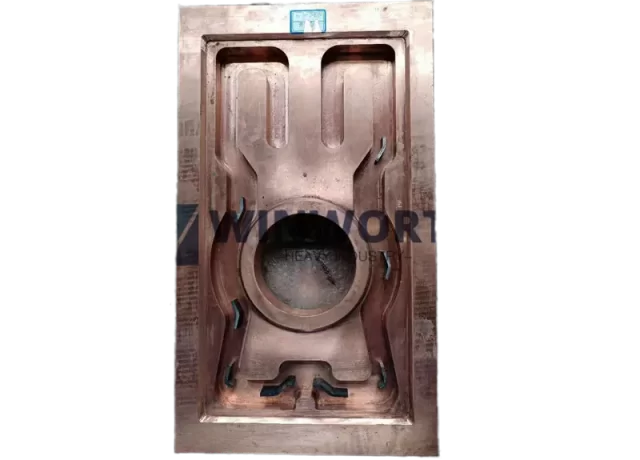
Possible drawing-defined scope includes forged copper lance heads, water-cooled lance tips, cooled blowing blocks, tuyere-area components, jackets, panels, hood-interface cooling parts, connection blocks, clamps, supports, and custom machined replacements. These examples do not form a standard kit.
Provide blowing medium, air, oxygen-enriched air, oxygen, fuel or other service as applicable; flow and pressure supplied by the buyer; lance or tuyere arrangement; nozzle count, angle and passage geometry; vessel movement; insertion and withdrawal envelope; cooling supply and return; seals; hood and off-gas clearances; mounting; alignment; lifting; removal; and maintenance access.
Do not substitute an EAF injection tuyere, blast-furnace tuyere, BOF lance tip, TSL lance component, or TBRC lance head based only on a similar photograph or outside diameter. Internal passages, duty, interfaces, and failure modes control the product identity.
Material, Manufacturing, and Inspection
Copper grade and condition, forged, cast, rolled, machined, drilled, formed, welded, brazed, or assembled construction, joining sequence, heat treatment, coating, cleaning, and surface requirements follow the approved drawing. State whether pipes, manifolds, hoses, seals, fasteners, supports, instrumentation, or hood parts are included.
Inspection may include material verification, nozzle and passage geometry, wall sections, datums, concentricity, alignment, cooling-passage mapping, joints and closures, specified NDT, pressure or leakage testing, circuit separation, fit and motion-envelope checks, cleanliness, and document review.
No blowing rate, oxygen enrichment, process temperature, conversion result, gas capture, metal recovery, throughput, campaign life, or service life is promised from the component alone.
RFQ Information
Provide plant and process route, vessel and blowing-system drawings, component position, exact supply boundary, media and buyer-supplied operating inputs, copper specification, cooling map, nozzle and passage geometry, vessel, hood and support interfaces, tolerances, NDT and tests, quantity, records, packaging, lifting, and destination.