Application
Copper Cooling Components for Lead and Zinc Smelting Furnaces
Custom copper cooling components for lead and zinc flash, bath-smelting, slag-treatment, and fuming equipment, matched to process, furnace zone, cooling, and interfaces.
Application Scope and Furnace Identity
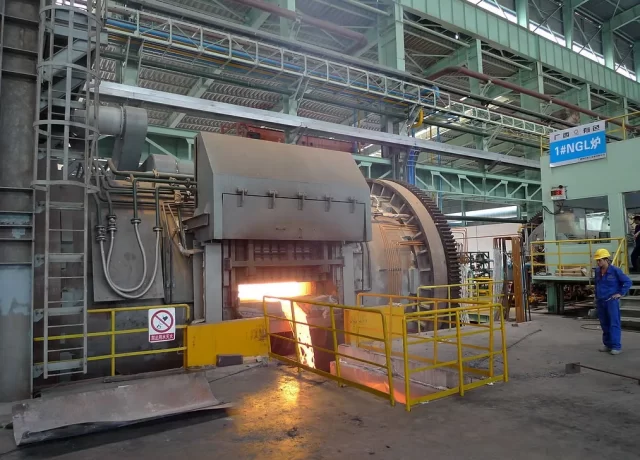
Winworth manufactures drawing-based copper and copper-alloy cooling components for selected positions in lead and zinc smelting furnace equipment. The current route retains the established Flash / Smelting Furnace label for navigation, but the RFQ must identify the actual process.
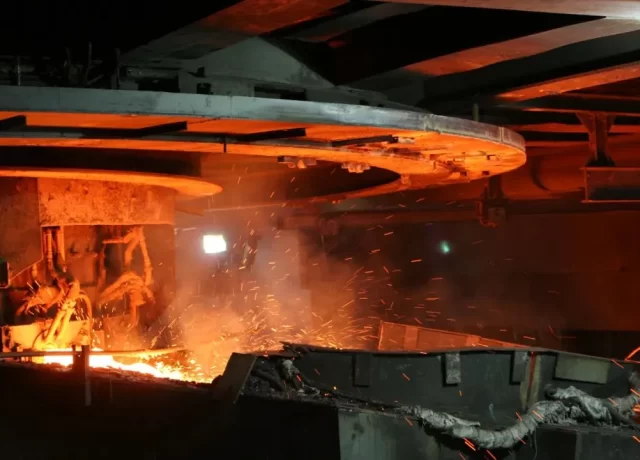
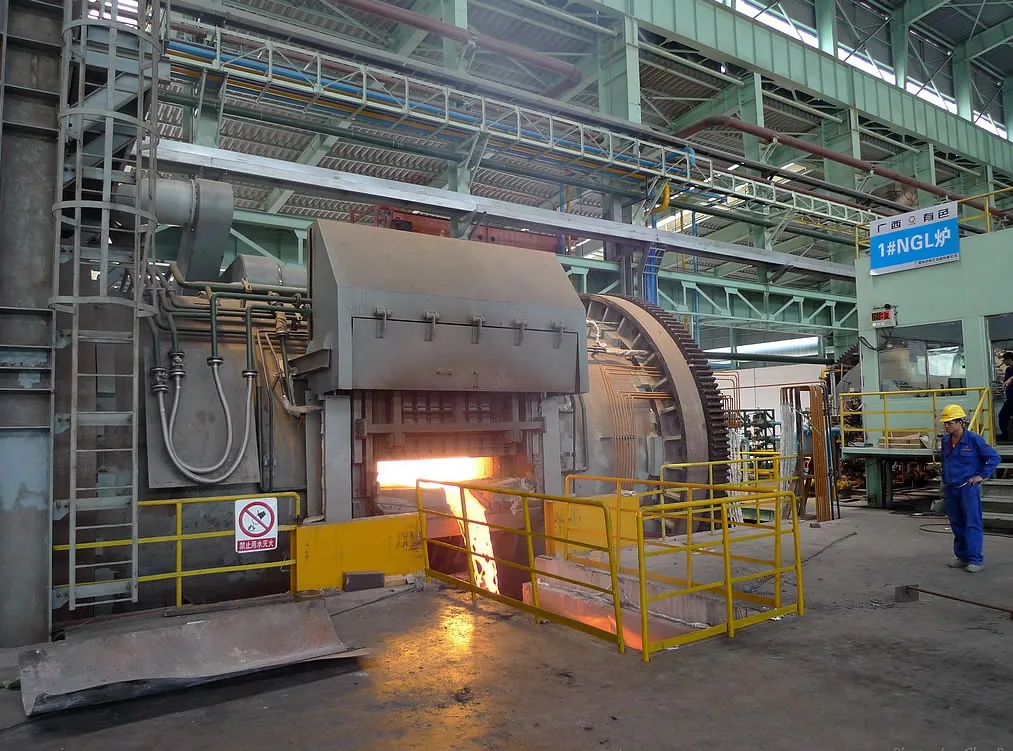
Flash smelting reacts fine feed in a gas or suspension zone before separation in the furnace. TSL processes such as Ausmelt or ISASMELT inject air or oxygen-enriched air through a submerged lance into a molten bath. Lead and zinc plants may also use slag-reduction, fuming, rotary, electric, shaft, or proprietary equipment. A component from one architecture must not be selected from another furnace outline without approved interface data.
This page is focused on lead and zinc plant routes. The E3-02 Flash and Ausmelt Furnace Cooling page remains the broader copper and non-ferrous metallurgy route. Shared product families may be linked by component role, but the application content and plant process are not merged.
Furnace Zone and Supply Boundary
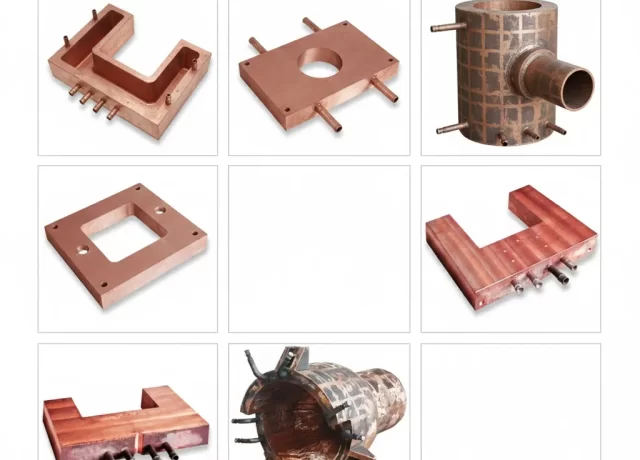
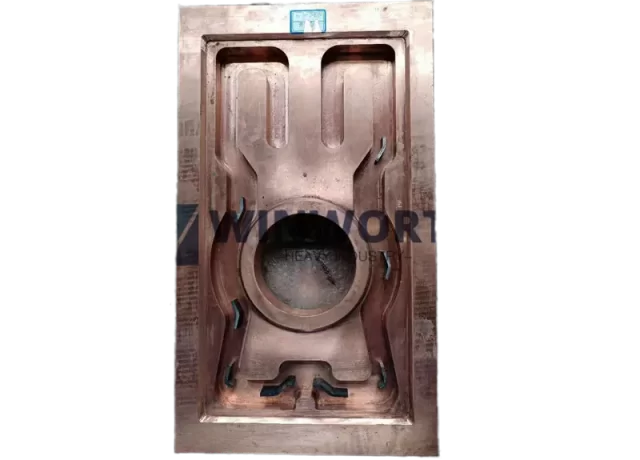
Identify the furnace shell, roof, reaction shaft, settler, bath zone, lance or burner area, taphole, weir, uptake, off-gas transition, slag-treatment zone, support, or other buyer-defined position. State whether the ordered scope is a copper jacket, cast or fabricated panel, plate, block, stave-type element, pipe assembly, mounting frame, insert, closure, connection, or complete drawing-defined assembly.
Provide nearby refractory and shell details, protected area, hot-face orientation, thermal expansion, mechanical support, movement, seals, fasteners, lifting, removal, inspection access, and replacement sequence. Do not infer direct bath contact, refractory-free operation, or one standard heat-load profile from the page title.
Cooling, Material, and Inspection
Cooling documentation should identify each supply and return circuit, channel or drilled-passage construction, inlet and outlet orientation, headers or manifolds included in scope, partitions, pipes, plugs, closures, joints, flow direction, circuit separation, monitored points, water chemistry limits supplied by the buyer, pressure or leakage test, drying, and commissioning boundary.
Copper grade and condition, forged, rolled, cast, continuously cast, machined, drilled, fabricated, welded, brazed, or assembled construction, joining procedure, heat treatment, coating, hot-face finish, cleaning, and records follow the approved drawing. No generic copper grade or manufacturing route is suitable for every furnace zone.
Inspection may include material records, dimensions, passage mapping, wall sections, alignment, joints and closures, specified NDT, pressure or leakage testing, circuit separation, flow verification when ordered, fit, cleanliness, and documentation. No heat-load capacity, cooling-water demand, smelting rate, recovery, feed flexibility, refractory life, campaign life, or service life is claimed from the component alone.
RFQ Information
Provide furnace process and maker, plant and furnace zone, component and assembly drawings, exact supply boundary, material and construction, nearby refractory and shell, thermal and corrosion conditions, full cooling map, connections, monitoring interfaces, tolerances, NDT and test procedure, quantity, records, packaging, lifting, and destination.