Application
Replaceable Copper Contact Consumables for Welding Equipment
Drawing-based copper contact consumables supplied for repeat replacement, with defined product identity, geometry, material, machine fit, cooling, inspection, and packaging.
Consumable Definition and Scope
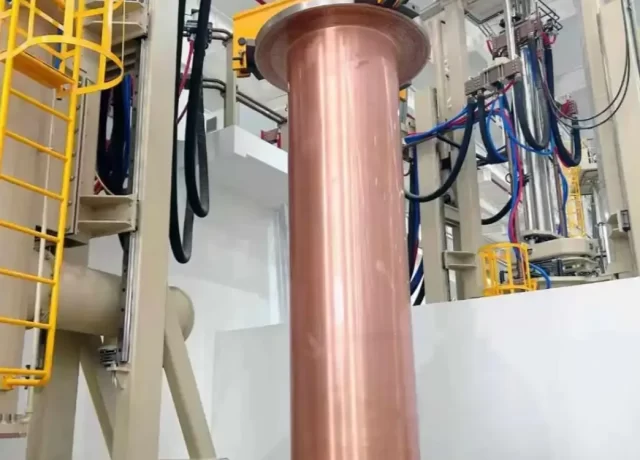
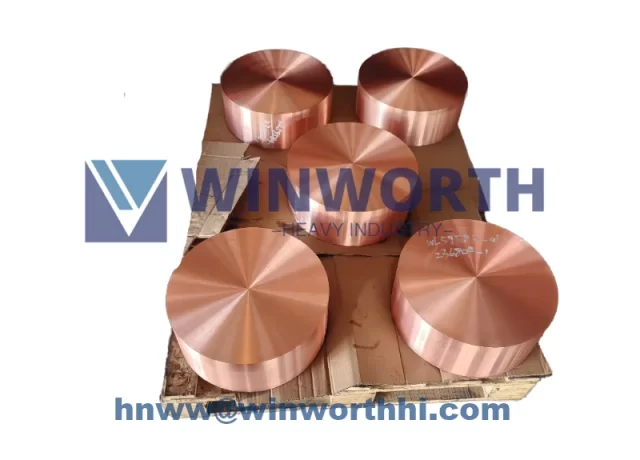
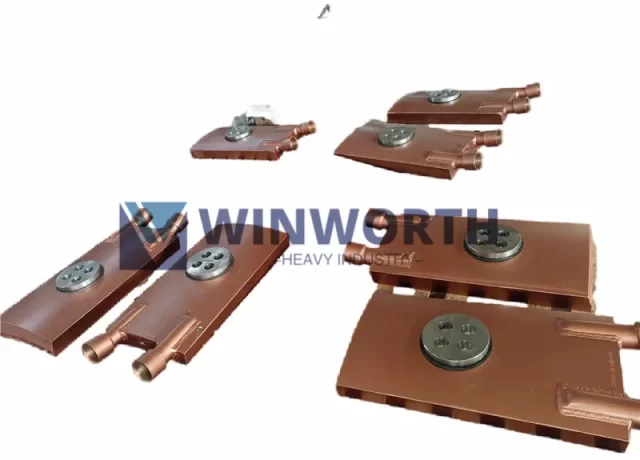
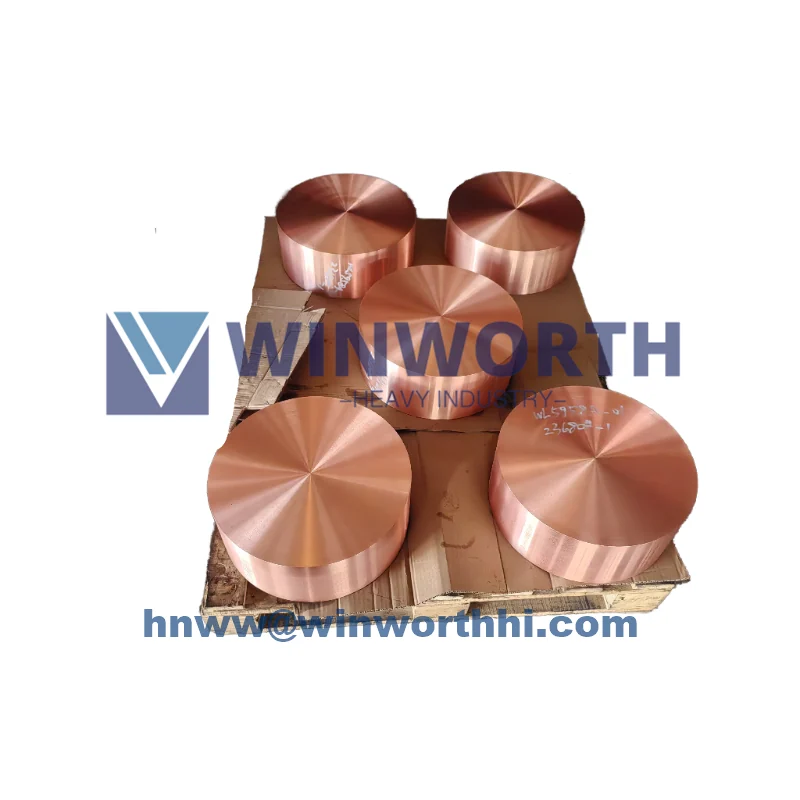
On this site, welding copper consumables are replaceable copper or copper-alloy contact components that lose usable geometry, surface condition, or dimensional allowance through contact, heat, force, dressing, rotation, or planned replacement. Examples may include buyer-defined electrodes, caps, tips, pads, rings, wheel components, and conductive tooling.
They are not welding filler consumables. Filler wire, covered electrodes, rods, powders, fluxes, brazing alloys, solders, shielding gases, and deposited weld metal remain outside this page. The word electrode must be interpreted by process: a resistance-welding electrode is tooling that carries current and often force to the work, while an arc-welding consumable electrode may become weld metal.
Repeat-Supply and Revision Control
Repeat supply requires a controlled drawing, part number, revision, product identity, machine and position, material standard and condition, approved manufacturing route, critical dimensions, contact-face or nose profile, taper or mounting, cooling, dressing limit, discard or replacement criterion, inspection plan, lot size, traceability, and packaging.
Do not reproduce a worn sample as new geometry without identifying unworn references and approved restoration dimensions. Electrode dressing can change face diameter, profile, length, alignment, and cooling distance. Record whether a sample is new, dressed, worn, overheated, cracked, mushroomed, coated, plated, repaired, or contaminated.
Material, Wear, and Quality Controls
Material selection depends on the process, workpiece, coating, current, force, duty, temperature, geometry, cooling, dressing, and failure mode. CuCrZr, an ISO 5182 class, or an AWS/RWMA class is not complete without the exact designation, condition, property requirements, test method, and acceptance range.
Inspection may include material identification, conductivity, hardness or mechanical properties when ordered, dimensions and datums, contact profile, concentricity or runout, taper and mounting, holes and threads, passage continuity, pressure or leakage testing, surface finish, plating, specified NDT, fit, marking, lot records, and document review.
No fixed dressing count, weld count, replacement frequency, wear rate, electrode life, weld quality, process capability, or cost saving is promised without validated machine and production data and an agreed comparison method.
RFQ Information
Provide machine and process, controlled part number and revision, product identity, workpiece data, current/force/time inputs supplied by the buyer, material and condition, geometry and mounting, cooling, dressing and replacement criteria, sample condition, annual and lot quantity, inspection and tests, traceability, packaging orientation and protection, destination, and requested schedule.