Application
Wear Components for Crushing and Grinding Equipment
Custom components for crushers and grinding mills, matched to equipment type, component position, feed and wear conditions, interfaces, material, dimensions, and inspection.
Application Scope and Equipment Identity
Winworth manufactures drawing-based bushings, sleeves, wear liners, and selected custom components for confirmed positions in crushing and grinding equipment. The application page separates equipment context from the individual product specification.
Jaw, primary gyratory, cone, and impact crushers use different crushing actions, chambers, wear profiles, support arrangements, and replacement parts. SAG, AG, ball, rod, stirred mills, and high-pressure grinding rolls use different motion, charge, liner, bearing, drive, and discharge arrangements. A part name or outside photograph does not establish compatibility across these machines.
Component Position and Wear Mechanism
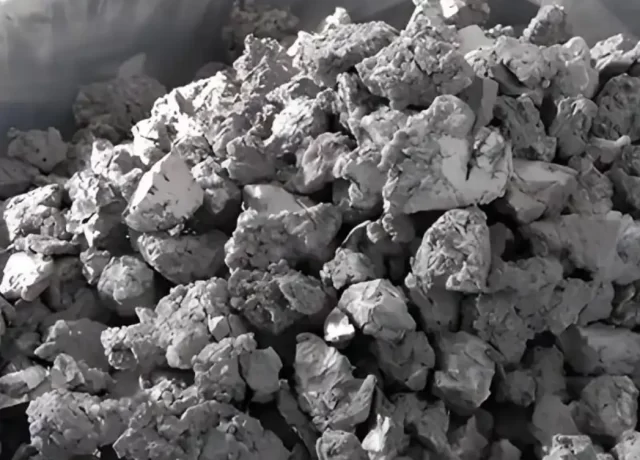
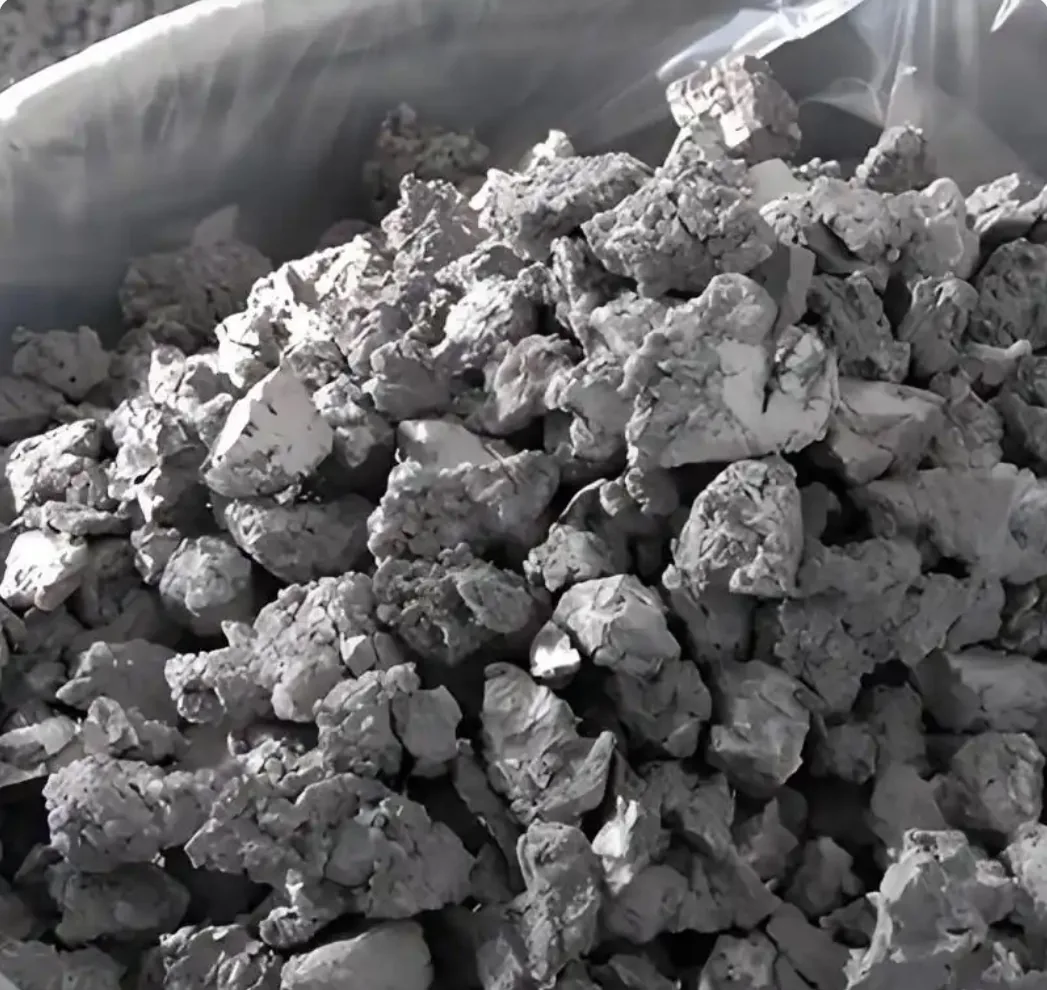
Identify the machine, process stage, part position, feed and discharge arrangement, adjacent components, direction of motion, load path, impact, compression, sliding, rolling, vibration, and thermal exposure. For wear components, provide feed or ore type, lump-size distribution when available, moisture, abrasiveness, contamination, tramp material, throughput data supplied by the buyer, current wear profile, rotation or exchange practice, and replacement interval as historical input rather than a guarantee.
Crusher chamber profiles, mantle and concave geometry, jaw dies, blow bars, mill lifters, shell liners, head liners, discharge systems, trunnion liners, and HPGR wear parts are equipment-specific. Winworth quotes only the part shown in the approved scope and does not infer a complete chamber, liner system, grinding circuit, or process optimization service.
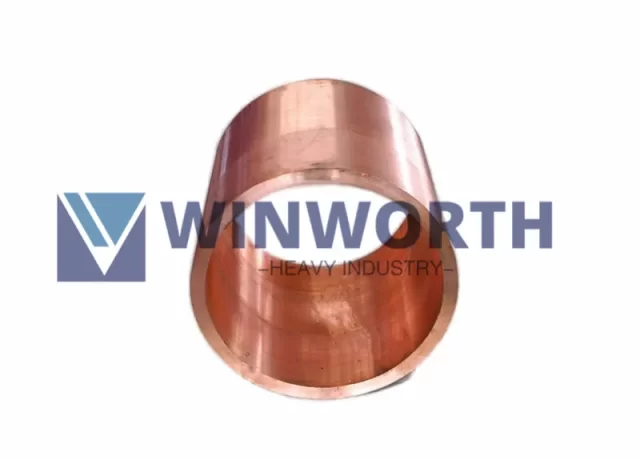
Copper-alloy bushings and sleeves belong only at confirmed plain-bearing, sliding, oscillating, guiding, or replaceable wear interfaces. They do not replace rolling-element bearings, hydrostatic or hydrodynamic bearing systems, trunnion assemblies, seals, lubrication systems, or shafts unless the approved drawing defines that role.
Geometry, Material, and Manufacturing
Provide the original drawing and revision, unworn profile, datum scheme, mating dimensions, fit and clearance, contact or seating surfaces, fastener pattern, backing and support, segment arrangement, lifting points, mass constraints, removal path, installation sequence, and allowable repair or machining stock.
Material and manufacturing route depend on the actual component. State the specified alloy or material family, cast, forged, fabricated, machined, welded, heat-treated, coated, or assembled condition, hardness and toughness requirements, test locations, acceptance range, and certificate scope. No generic "wear-resistant" designation replaces the purchase specification.
A worn sample may show service damage but may have lost its original profile, hole position, thickness, concentricity, or datum surfaces. Reconstruction requires assembly references, unworn zones, mating parts, historical drawings, or buyer-approved dimensional decisions.
Inspection and RFQ Information
Inspection may include material and heat-treatment records, dimensions and datums, templates or scan comparison, fit and contact surfaces, hole pattern, section and mass, hardness mapping, specified NDT, weld inspection, coating or surface condition, trial assembly, marking, and documentation.
Provide equipment type, maker and model, process stage, drawing and revision, exact ordered part, sample condition, feed and wear data, load and motion inputs, original and requested material, interfaces, fits, tolerances, fastening, heat treatment, NDT and tests, quantity, records, packaging, lifting, and destination.
No chamber performance, reduction ratio, product size, throughput, grinding efficiency, energy consumption, vibration level, wear life, uptime, or service interval is promised from a replacement component alone.