Application
Copper Components for Aluminum Melting and Holding Furnaces
Custom copper components for aluminum melting and holding equipment, matched to furnace duty, heat exposure, cooling, electrical or mechanical interfaces, and inspection.
Application Scope
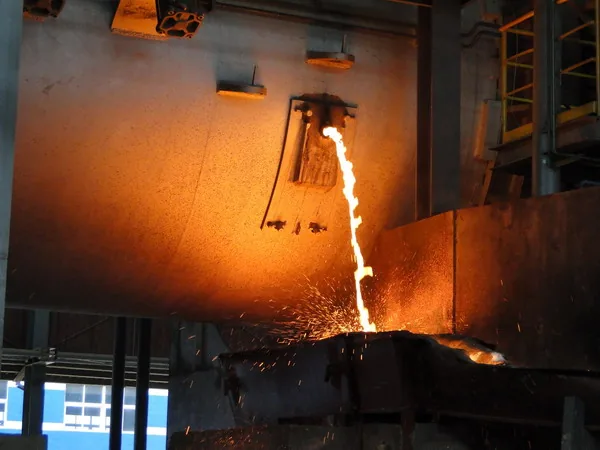
Winworth manufactures drawing-based copper and copper-alloy components for selected positions in aluminum melting and holding furnace equipment. A melting furnace receives and melts solid or liquid charge according to its process design. A holding or casting furnace maintains and conditions molten metal and may meter it to downstream casting equipment. These duties can be combined in some installations, but they are not assumed to share the same chamber, heating system, transfer arrangement, or spare parts.
The furnace may be stationary, tilting, single-chamber, multi-chamber, fuel-fired, electric-resistance, induction-heated, or another buyer-defined design. The application page does not infer one furnace architecture from the words melting or holding.
Component Position and Supply Boundary
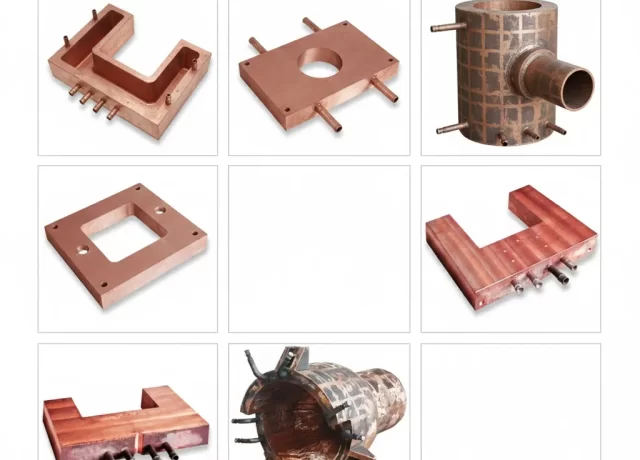
Possible drawing-defined copper scope may include cooling blocks or jackets, conductive connections, contact parts, bushings, sleeves, rings, nozzle or launder support hardware, and other machined or fabricated replacements. These examples are routing categories, not a standard furnace kit. State whether the part is exposed to the furnace shell, door, burner zone, electrical system, tilting mechanism, transfer equipment, launder support, maintenance tooling, or another location.
Do not assume that a copper part contacts molten aluminum. Do not add water cooling to an existing furnace position from a generic product outline. Any cooling circuit near molten metal must follow the original equipment design, buyer-approved hazard controls, connection layout, monitoring, test procedure, and maintenance plan.
Thermal, Cooling, Electrical, and Mechanical Inputs
Provide the furnace duty, heat source, charge and transfer route, normal and transient temperature supplied by the buyer, exposure cycle, atmosphere, nearby refractory, insulation, thermal expansion allowance, supports, fasteners, alignment datums, movement, load direction, electrical current where applicable, and maintenance access.
For a cooled component, identify supply and return paths, channel construction, inlet and outlet orientation, pipe or manifold boundary, partitions, plugs, closures, joints, circuit separation, monitored points, medium, buyer-specified pressure or leakage test, and post-test drying or cleanliness requirements. For conductive or sliding parts, provide mating materials, contact area, preload, movement, lubrication, wear allowance, replacement limits, and required electrical or mechanical tests.
Material, Manufacturing, and Inspection
Copper grade and condition, forged, rolled, cast, machined, drilled, fabricated, welded, brazed, or assembled construction, joining procedure, heat treatment, surface treatment, cleaning, and records follow the approved drawing. A material trade name alone does not establish suitability for furnace heat exposure, electrical duty, molten-metal proximity, or a cooling circuit.
Inspection may include material records, dimensions, flatness, concentricity and datums, passage verification, joints and closures, specified NDT, pressure or leakage testing, circuit separation, contact or fit checks, hardness or conductivity when ordered, cleanliness, and document review. No melting rate, holding accuracy, energy use, metal loss, furnace atmosphere, productivity, or service life is claimed from the copper component alone.
RFQ Information
Provide furnace maker and model, melting or holding duty, heating and transfer arrangement, component drawing and position, exact supply boundary, material specification, thermal, cooling, electrical and mechanical inputs, interfaces, tolerances, surface treatment, NDT and test procedures, quantity, documents, packaging, lifting, and destination.