Application
Copper Alloy Components for Aluminum Rolling Lines
Custom copper-alloy components for aluminum hot, cold, foil, and finishing rolling equipment, matched to mill position, movement, load, lubrication, interfaces, and inspection.
Application Scope
Winworth manufactures drawing-based copper and copper-alloy replacement components for selected positions in aluminum rolling equipment. Aluminum hot rolling, cold rolling, foil rolling, reversing mills, tandem mills, finishing mills, coilers, and integrated cast-and-roll lines have different loads, temperatures, speeds, lubrication systems, strip-control equipment, and maintenance practices.
The application page covers only the ordered copper-alloy component. It does not imply supply of work rolls, backup rolls, roll chocks, mill housings, hydraulic systems, drives, strip-control systems, automation, or a complete rolling line.
Component Function and Operating Position
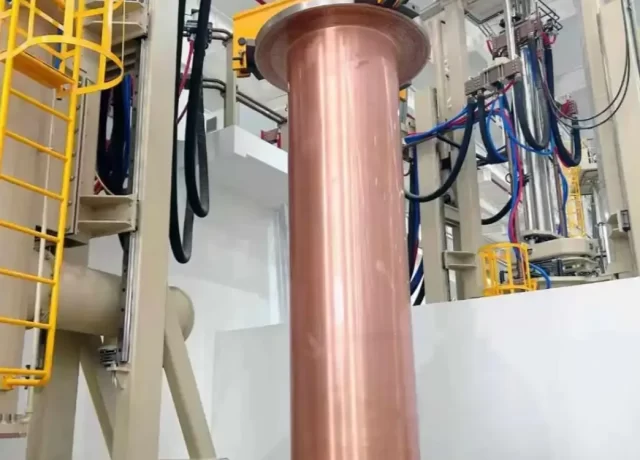
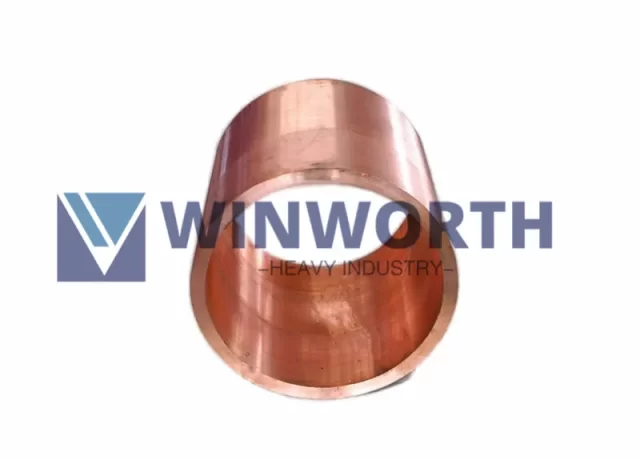
Potential drawing-defined scope may include bushings, sleeves, bearing or guide liners, wear plates, rings, contact or conductive parts, cooling components, and other machined replacements. Identify the mill stand, entry or exit equipment, coiler, guide, transfer, tension, trimming, handling, lubrication, cooling, or maintenance position. A generic bushing or sleeve name is not enough to select material or geometry.
Provide radial, axial, impact, oscillating, sliding, rotating, or intermittent load supplied by the buyer; shaft and housing fits; movement and speed; operating and transient temperature; strip or coolant exposure; lubricant type and delivery; contamination; edge loading; alignment; electrical function where present; wear allowance; replacement limit; and access constraints.
Material and Interface Review
Copper-alloy grade and condition must follow the drawing and service duty. CuCrZr, aluminum bronze, tin bronze, or another copper alloy is not substituted from a generic product family. Confirm composition standard, temper or heat treatment, mechanical, hardness, conductivity or tribological requirements, mating materials, surface treatment, lubrication features, grooves, holes, flanges, keys, anti-rotation details, fasteners, and assembly method.
For a cooled or conductive component, add the circuit or current path, connections, insulation boundaries, contact pressure, closures, joining procedure, and ordered tests. For a wear component, define the intended wear surface, permissible repair, finish, counterface, lubrication, and replacement criterion.
Manufacturing and Inspection
The production route may include forged, rolled, cast, centrifugally cast, heat-treated, rough-machined, finish-machined, drilled, fabricated, welded, or assembled operations as specified. Inspection may include material records, dimensions and datums, bore and outside diameter, roundness, concentricity, runout, flatness, fit, surface finish, hardness, conductivity when ordered, passage verification, NDT, pressure or leakage testing for cooled parts, and document review.
No rolling force, line speed, gauge, flatness, surface quality, productivity, wear rate, maintenance interval, or service life is promised without validated operating data and an agreed acceptance method.
RFQ Information
Provide mill type and maker, hot, cold, foil, finishing, or integrated line stage, component position and drawing, exact supply boundary, material and condition, loads, motion, speed, temperature, lubrication or cooling data, mating interfaces, tolerances, surface treatment, inspection and test requirements, quantity, records, packaging, and destination.