Material Selection
Copper and copper-alloy grades selected for conductivity, strength, wear and service conditions.
Product Detail
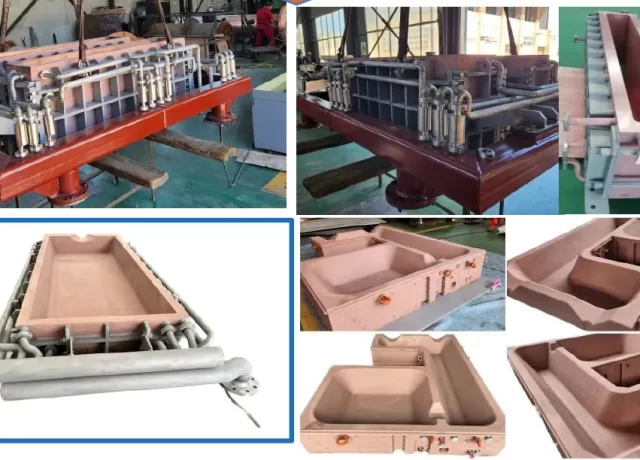
Water-cooled copper crucible and crystallizer for VAR, ESR, and EB furnace systems, reviewed by drawing and material grade.
Product Overview
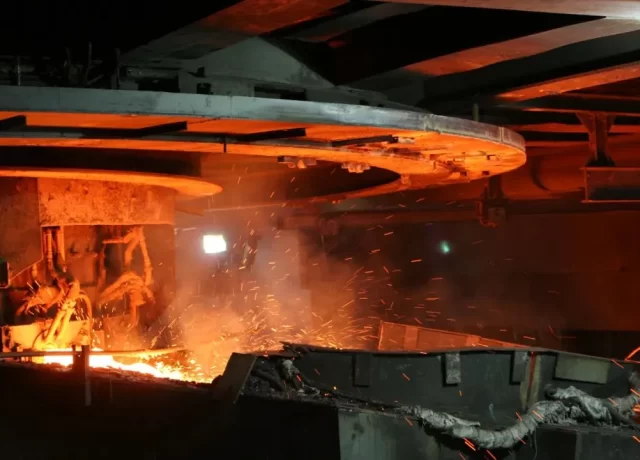
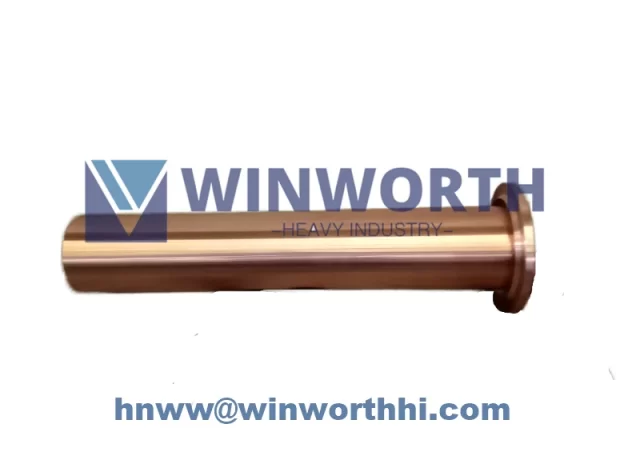
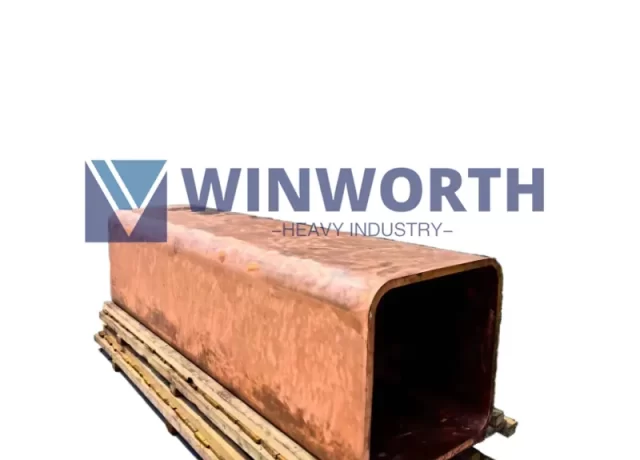
The Copper Crucible of a Vacuum consumable furnace is a water-cooled vessel designed for metal remelting, solidification, and cooling under controlled conditions. It is typically paired with a copper crystallizer to shape the molten metal into a uniform ingot during the casting process. The crucible must withstand high thermal loads while maintaining dimensional stability, making material selection and manufacturing precision critical to its performance.
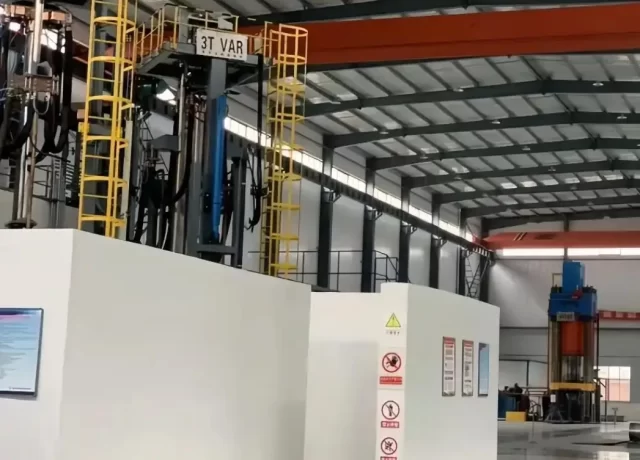
This type of copper crucible and crystallizer is commonly used in specialty melting furnace systems, including:
Each furnace type imposes different thermal, electrical, and mechanical demands. The final design should be reviewed against the specific equipment model, cooling configuration, and operating parameters before production.
Material choice depends on the thermal conductivity, strength, and wear resistance required by the application:
The appropriate material grade should be confirmed against the working temperature, cooling method, and mechanical requirements of the equipment.
Copper crucibles and crystallizers are typically manufactured using one or a combination of the following processes, depending on the design and dimensional requirements:
The process route should be defined based on the part geometry, material grade, and inspection criteria agreed before manufacturing.
Each crucible or crystallizer is built to custom specifications. To prepare a quotation or begin technical review, the following information should be provided:
A copper crucible holds and cools the molten metal during the remelting process, while a crystallizer shapes the solidifying ingot and controls the initial cooling rate. They are often used together in vacuum melting systems.
It depends on the operating temperature and mechanical load. Pure copper offers higher conductivity, while CuCrZr provides better wear resistance and strength at elevated temperatures. The choice should be confirmed based on the specific furnace conditions and intended service life.
In some cases, reconditioning may be possible depending on the extent of wear, deformation, or damage. A technical inspection is recommended to determine whether repair is feasible or if a replacement is more appropriate.
A drawing or dimensional sketch, material preference, application furnace type, quantity, and destination country. If a drawing is not available, photos and equipment model information can be used to start the technical review.
Integrated Production
Manufacturing support from drawing review and material preparation through forming, machining, assembly and final release.
Engineering review of geometry, interfaces and acceptance criteria.
Material selection, traceability and production preparation.
Controlled melting routes for copper and selected copper alloys.
Casting preparation for billets, blanks and custom components.
Forming routes for strength, structure and near-net geometry.
Heat-treatment planning according to grade and required properties.
Precision machining of interfaces, bores, grooves and profiles.
Fabrication and special welding for cooled and assembled structures.
Component fit-up, connection and final assembly verification.
Final dimensional, visual and documentation review before release.
Quality Capability
Inspection items are selected according to customer drawings, material standards, working conditions and project acceptance requirements.
Non-destructive testing can be selected for project requirements.
Critical dimensions, geometry and interfaces are verified.
Material chemistry and electrical properties can be confirmed.
Mechanical properties can be tested to the agreed standard.
Structure and material condition can be evaluated where required.
Surface condition and visible workmanship are checked before shipment.
Project records are prepared according to the agreed order scope.
Export Delivery
Anti-collision wrapping, moisture protection and supports are selected for the component.
Part identification and shipment markings are applied to the agreed project requirements.
Packing list, material certificate, inspection report and shipment photographs are available by scope.
Use Cases
Send drawings, material grade, quantity and application details. Our engineering team will review the manufacturing route and inspection requirements before quotation.