
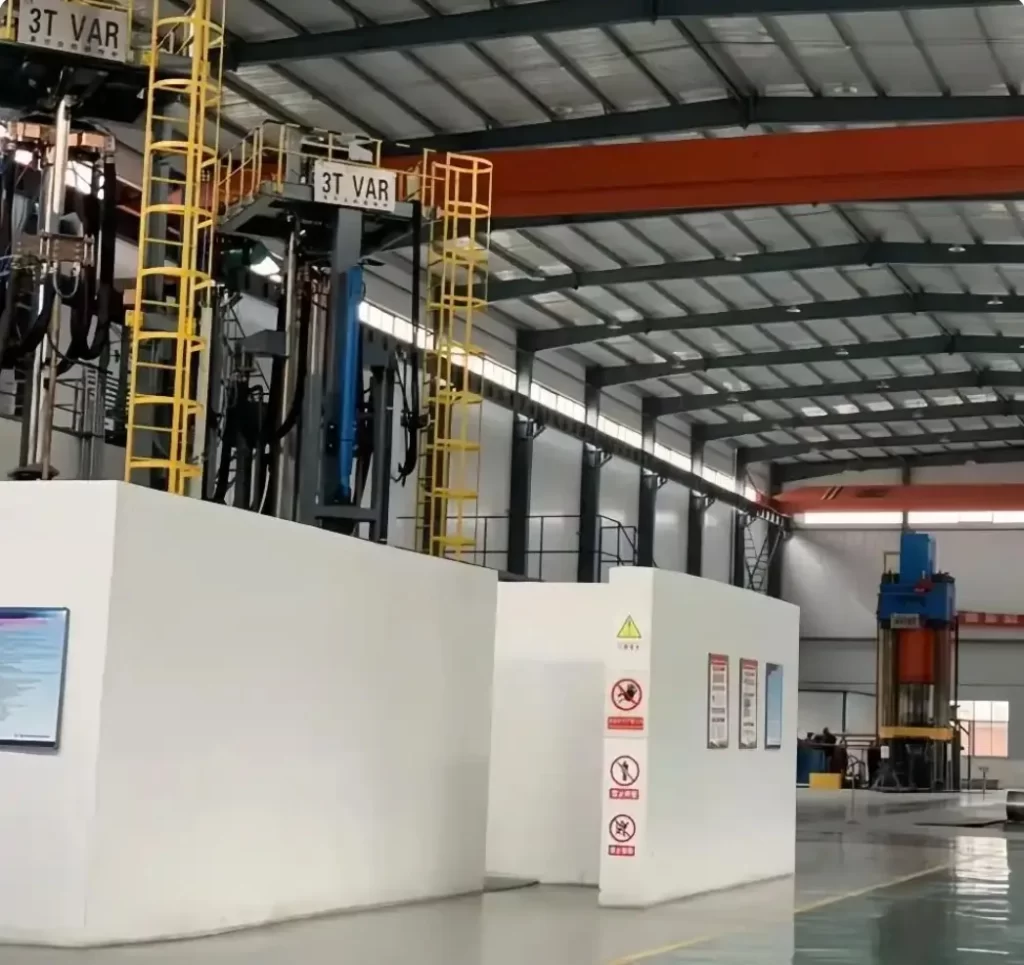
From Technical Input to Controlled Delivery
Winworth manufactures drawing-based copper, copper alloy, and other specified metal components for metallurgical furnaces, remelting systems, continuous casting, high-current equipment, welding equipment, heavy machinery, and related industrial applications.
The manufacturing route is built around the approved component definition. Product name alone does not determine the material, blank route, machining sequence, joining method, heat treatment, inspection, or documentation package.
Drawing and Engineering Preparation
Before quotation or production, Winworth reviews the drawing revision, material designation and condition, dimensions, datums, tolerances, critical interfaces, cooling passages, contact faces, joints, surface requirements, inspection scope, quantity, and delivery needs.
Missing or conflicting information is recorded for clarification. Material substitutions, tolerance changes, process alternatives, drawing changes, and repair dispositions require approval when they affect the agreed requirement. Winworth does not silently convert a proposed route into a buyer-approved design change.
Material and Manufacturing Route
Depending on product geometry, quantity, material, condition, function, and ordered requirements, the route may include melting, casting, forging, rolling, extrusion, plate or bar preparation, heat treatment, rough machining, fabrication, welding, finish machining, surface processing, assembly, and preservation.
Crucibles, molds, crystallizers, cooling jackets, contact components, forged rings, bushings, sleeves, and large machined parts need different process controls. The manufacturing plan identifies sequence, intermediate allowances, critical operations, inspection stages, rework controls, and records appropriate to the component.
Quality Control and Traceability
Quality planning begins with the order, drawing, material specification, and inspection and test requirements. Controls may include incoming material verification, heat or batch traceability, process records, dimensional checks, geometric inspection, surface examination, specified NDT, pressure or leakage testing, electrical or mechanical property testing, trial assembly, and final record review.
Only methods included in the approved inspection plan are part of the order. Method applicability, examined area, timing, sampling, procedure, personnel qualification, acceptance criteria, witness points, report format, and record language must be defined.
Packaging and Delivery
Finished components are identified and preserved according to the agreed scope. Packaging planning considers component mass and geometry, machined or contact surfaces, moisture and contamination control, openings and connections, lifting and handling, transport route, destination, storage period, and required markings.
The delivery package may include approved drawings, material records, inspection reports, test records, nonconformance or deviation approvals, packing information, and shipment documentation as ordered.
Scope and Evidence Boundary
This guide describes available project workflow, not a blanket promise that every process, test, tolerance, size, material, schedule, or document is available for every inquiry. Product-specific feasibility is confirmed after review.
Winworth's component manufacturing scope does not replace complete equipment or process design, owner engineering, code classification, installation responsibility, commissioning authority, functional safety, or plant performance validation. No certification, capacity, tolerance, inspection coverage, service life, or performance value should be inferred unless it appears in the approved quotation and order evidence.
Information to Include with an RFQ
Provide drawings and revisions, component function and equipment position, material specification, quantity, critical dimensions and interfaces, relevant operating inputs, preferred or prohibited manufacturing routes, inspection and documentation requirements, packaging, destination, and schedule.